
activity detail
Suitable for
Families - Groups - Pair - Celebrations - Beginners - Relaxation/well-being
Duration
3-4h
Period
Apr - Jun
Equipment provided
none
Equipment to be brought
hiking boots - layered mountain clothing - backpack - water - knife - cloth bag or basket
Where
Ossana
Spring foraging in Val di Sole
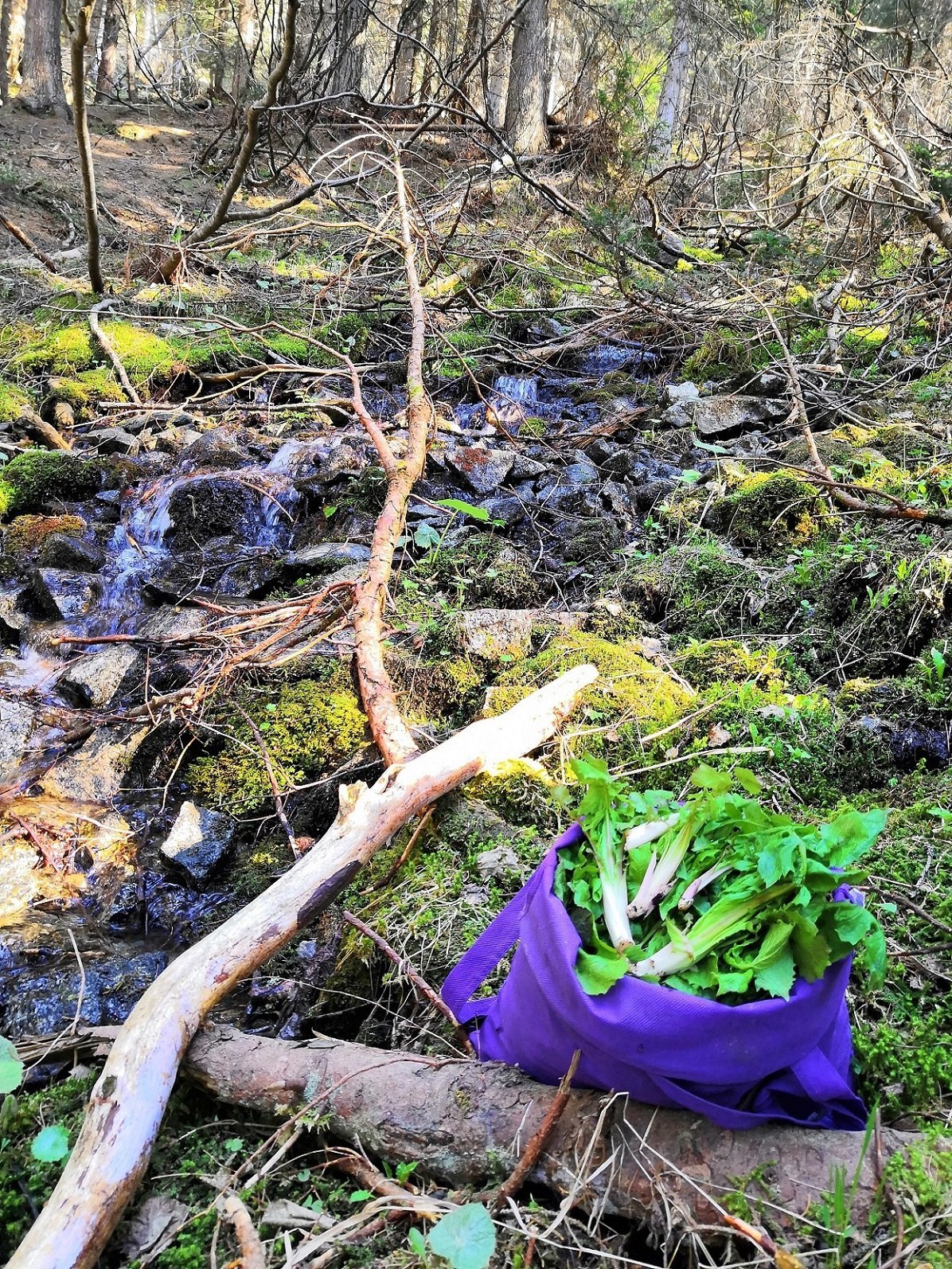
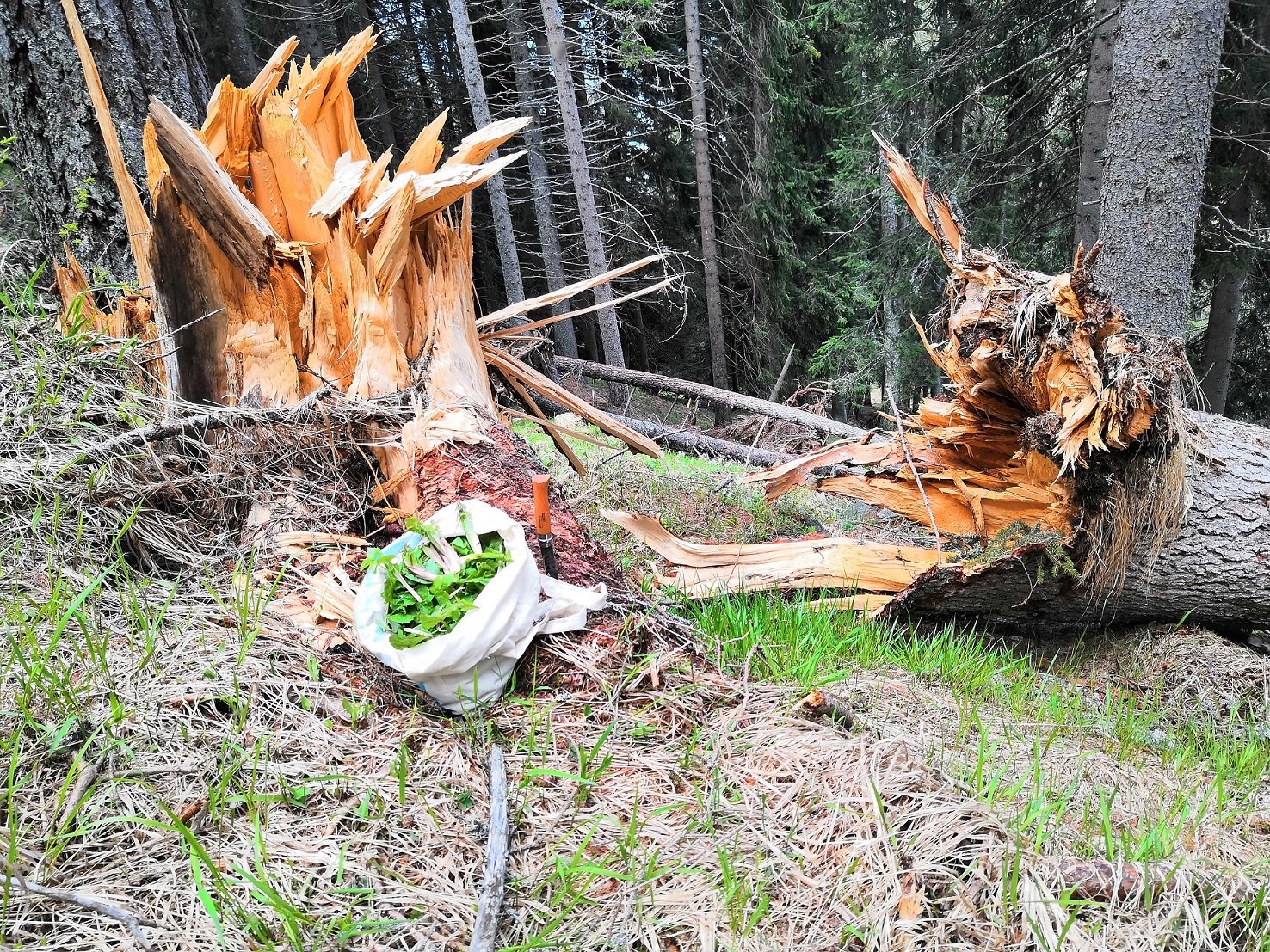
Experience foraging amidst the wild flavours of Trentino in spring. Spring in Val di Sole offers a wonderful show of rebirth, and foraging becomes a fascinating experience to explore the rich diversity of edible plants that bloom during this season.
The term 'foraging' refers to the act of seeking, gathering and consuming food from nature, especially wild plants, fruits, roots, and mushrooms. Foraging is a practice that has deep roots in human history, as people have depended for thousands of years on gathering food directly from nature for their survival.
Spring marks the awakening of nature after the winter months. Plants begin to sprout and flourish with all their new strength, creating a variety of new edible ingredients.
In spring, the Val di Sole is filled with a wide range of edible wild plants. From herbs to edible flowers, the diversity of species increases, offering a broad spectrum of flavours. The milder temperatures and longer days create ideal climatic conditions for plants to grow. Most wild plants begin to thrive at this time, offering a wide window of opportunity for foraging.
Here are some of the plants that can be found in the pastures and forests of the Val di Sole in spring:
Nettle (Urtica dioica): Spring sees the vigorous growth of nettles. Despite their reputation as prickly, young nettle leaves are edible and rich in nutrients. They can be used in salads, soups or herbal teas.
Dandelion (Taraxacum officinale): The yellow petals of the dandelion are not only a symbol of spring, but also a versatile ingredient in cooking. The young leaves are ideal for salads, while the flowers can be used to prepare jams or herbal teas.
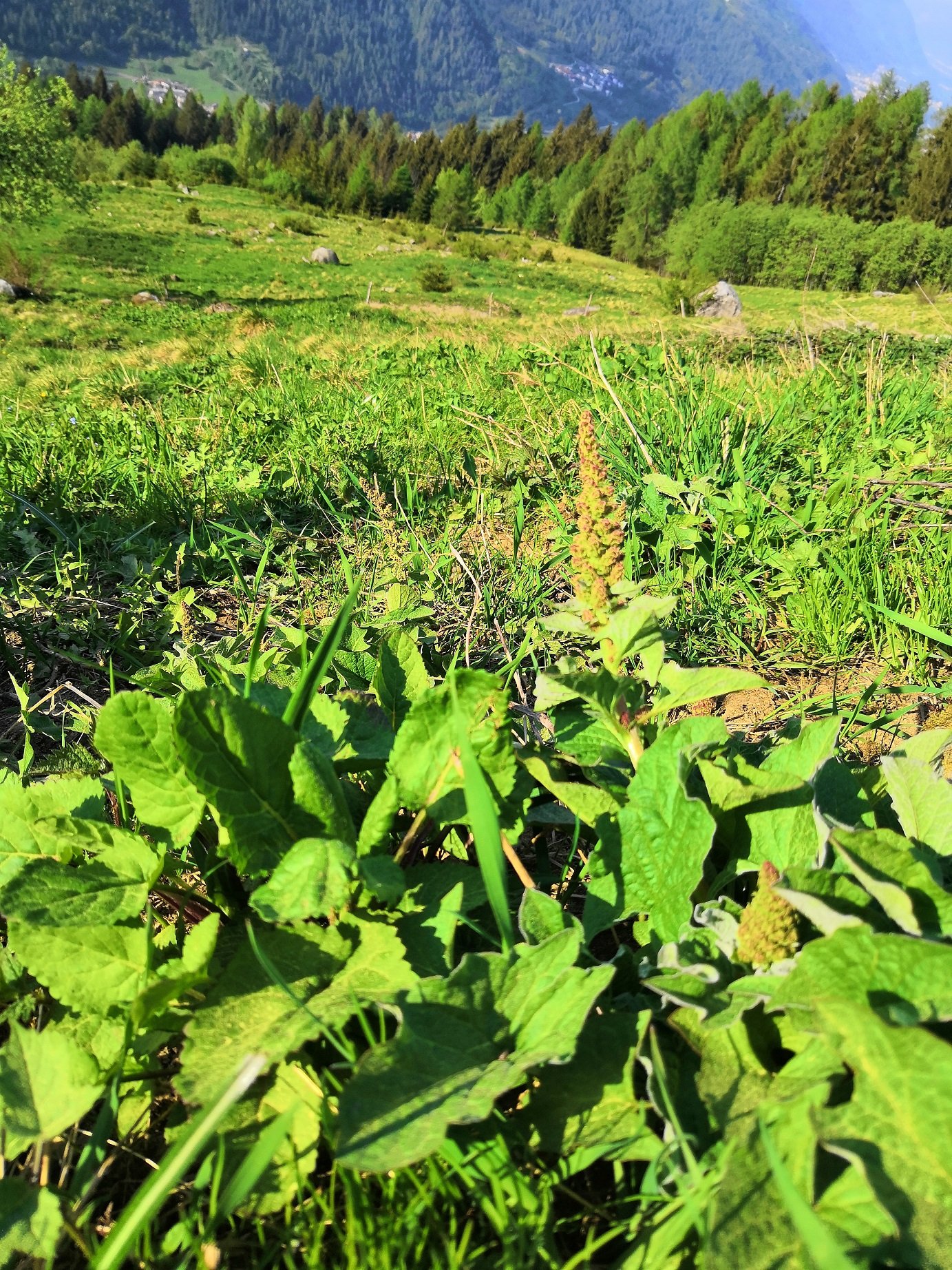
Mountain Spinach (Chenopodium Bonus Henricus): The Good Henricus or better known as Wild Mountain Spinach is a perennial herbaceous plant that grows in the mountains from 1000m to 2200m altitude. It prefers sunny, nitrogen-rich soil, so it can easily be found near mountain pastures. It can be easily recognised by its flowers and the typical 'flour' present under its leaves. Rich in iron, mineral salts and vitamin C, Buon Enrico has emollient, laxative and depurative properties and has an exceptional taste.
Bear Garlic(Allium ursinum): Commonly known as bear garlic, this wild plant has leaves with a fresh garlic flavour. Perfect for flavouring spring dishes, from risotto to sautéed vegetables.
Strigoli or Sciopeti (Silene vulgaris): This is a perennial herbaceous plant of the Caryophyllaceae family. The young leaves of Silene vulgaris are edible and can be used in salads or culinary preparations. Its characteristics include white or pink flowers, and it can be found in various habitats, including meadows, fields and roadsides.
Bear'sasparagus (Aruncus dioicus): Bear'sasparagus , or spikelet, is a perennial plant with tender, tasty leaves. The young leaves can be used in salads or cooked as a side dish.
Cicerbita Alpina: Cicerbita Alpina is a plant belonging to the Asteraceae family, and is known for its young, tender leaves that have a slightly bitter taste. This plant can be used in mixed salads or cooked as a side dish. The leaves can add a touch of balanced bitterness to spring culinary preparations, offering a variety of unique flavours.
Birch sap: In spring, birch sap becomes a natural treasure. This clear liquid, collected by making an incision in the bark of the birch trunk, is rich in minerals and has a slightly sweet taste. Birch sap can be consumed fresh as a refreshing drink or used as a basic ingredient for syrups and craft drinks. An ephemeral delicacy, the harvesting of birch sap offers a unique experience linked to the spring season, giving a taste of Trentino's characteristic terroir.
Foraging in spring is a unique sensory experience. In addition to the taste, one can appreciate the vibrant colours of the flowers, the scent in the air and the feeling of rebirth that permeates the environment.
It is important to practice foraging responsibly, avoiding damage to the environment and ensuring the sustainability of the harvested resources.
Before foraging, it is essential to be sure of the correct identification of plants to avoid the risk of confusion with poisonous plants. Furthermore, it is important to only harvest what is necessary to ensure the survival of the plant itself.
Spring is the time when nature awakens, and participating in foraging at this time offers the opportunity to connect intimately with the natural life cycle and appreciate the beauty of renewal.
Try this fantastic discipline accompanied by the guides of Ursus Adventures!
See details
Prices
Adult
+ 18 years
50€
Kid
14 - 17 years
50€
What they say about us


Request information