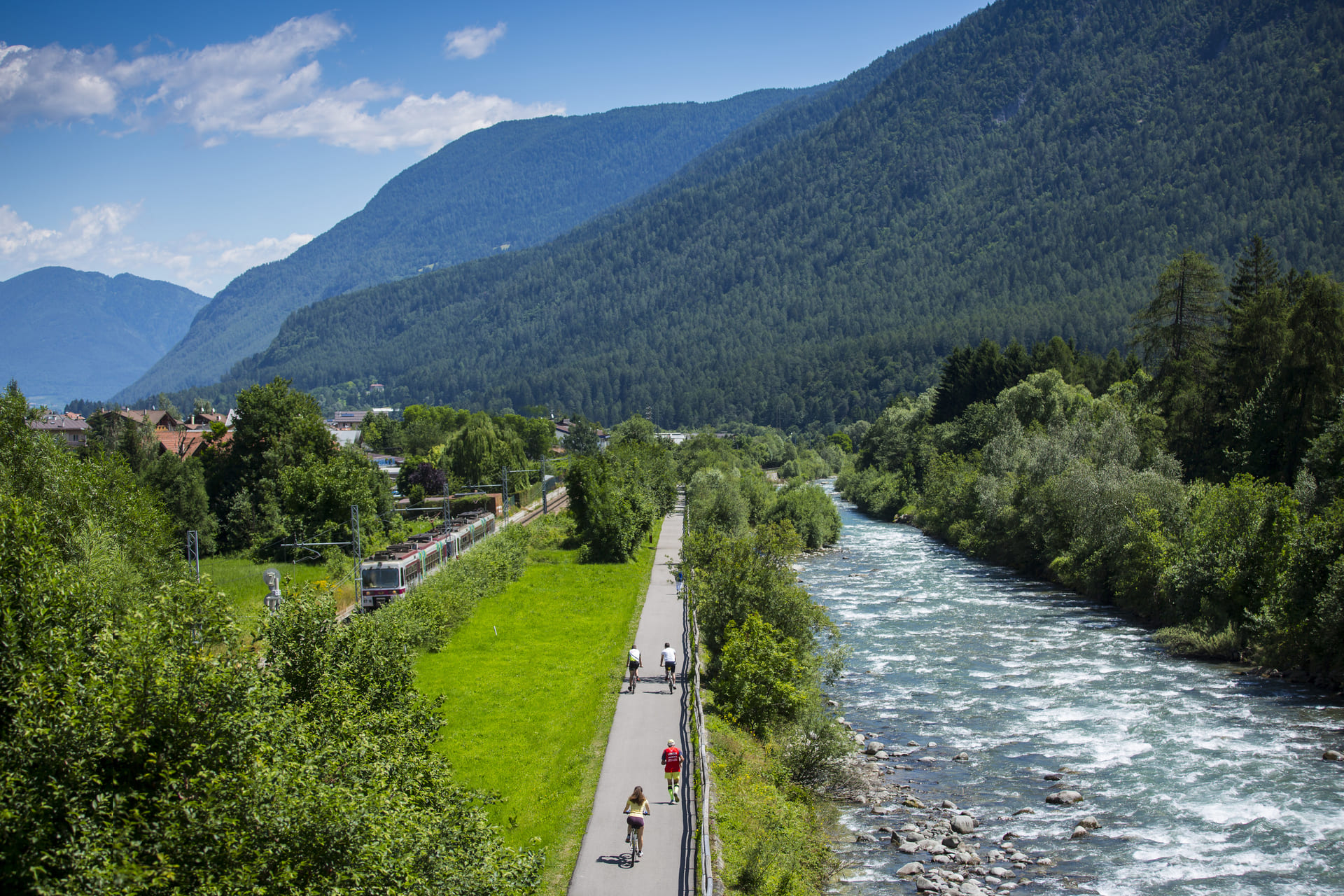
Discover the Noce River
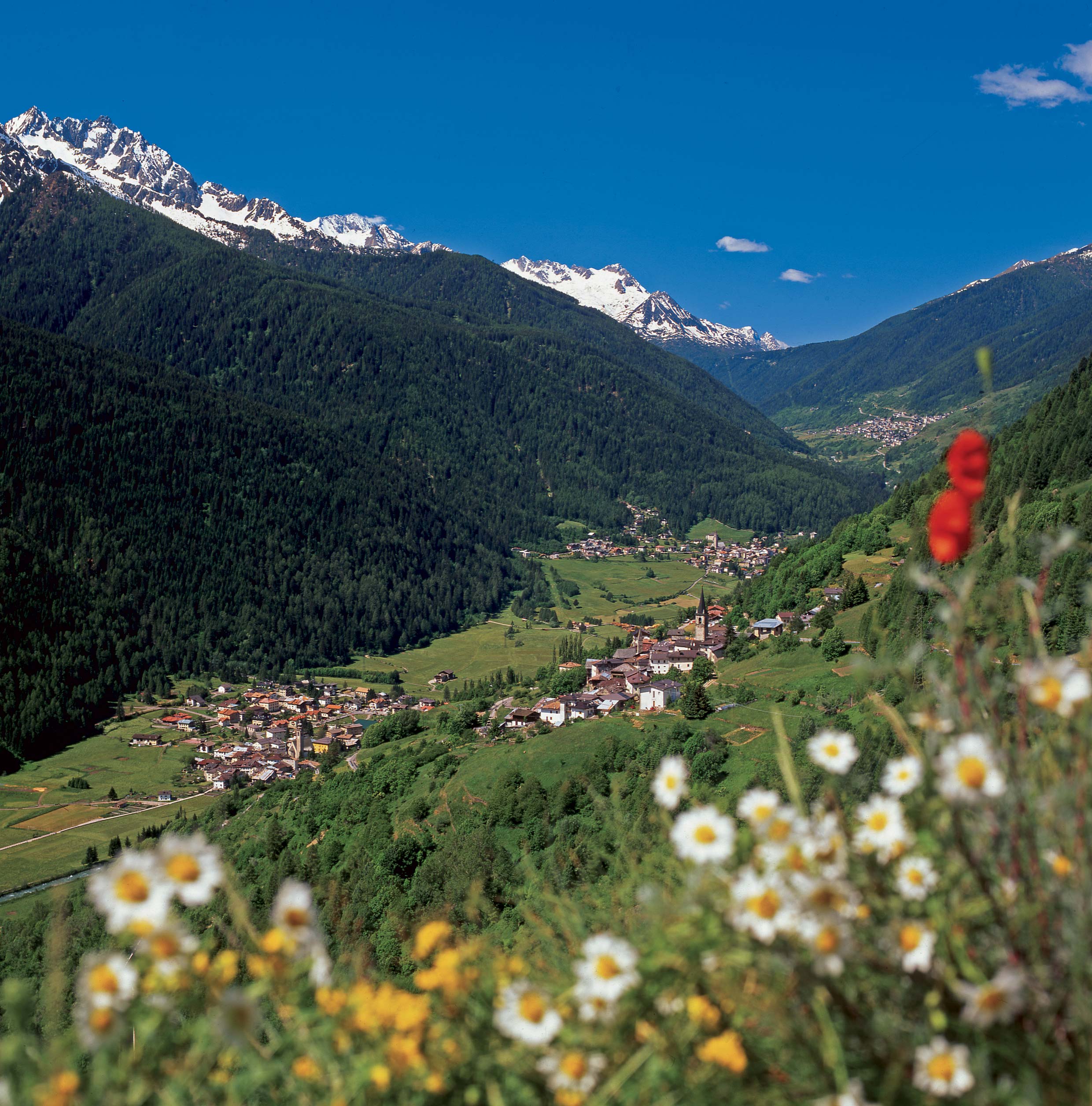
The Noce river rises at an altitude of 3,360 metres from the Corno dei Tre Signori in Alta Val di Pejo. In its very first stretch, however, it is not a single river, but is divided into two branches: the Noce Nero, which descends from the Corno dei Tre Signori, collects the waters of numerous springs and momentarily stops its descent in the Pian Palù artificial lake, and the Noce Bianco, which is
springs and momentarily stops its descent in the artificial lake of Pian Palù, and the Noce Bianco, which instead descends from the slopes of Cevedale, swollen by all the water collected in the wild Val de la Mare. These two branches merge at Cogolo to give birth to the Noce proper.
At the height of Cusiano, where the Ursus Adventures Rafting Centre is located, the Noce River merges with the waters of the Vermigliana torrent, which descends from the Tonale Pass, collecting all the water that comes down from Presanella, the highest peak in Trentino territory.
The river acquires more and more strength and vigour, calling to itself the waters of the other two great tributaries in Val di Sole: the Meledrio at Dimaro and the tumultuous Rabbies just downstream of Malé.
Approximately 10 kilometres downstream from the town of Malé, the Noce creates a deep gorge through which it flows into the Santa Giustina reservoir, inaugurated in 1951 as the highest dam in Europe thanks to its 152-metre dam wall.
It then continues its course along the Non Valley, creating spectacular wetlands, and flows into the Adige Valley, where it concludes its course joining the Adige River at the height of the village of Zambana, after a course of 105 kilometres.
Along its course the Noce creates numerous areas of high naturalistic importance: in Val di Sole we find three local reserves (Mezzana, Piano and Malé) and a special conservation area (Ontaneta di Croviana). In Val di Non, on the other hand, after leaving the Santa Giustina dam, the Noce forms the spectacular Forra di Santa Giustina nature reserve and, before flowing into the Adige Valley, the Rocchetta nature reserve.
Discover the Walnut River
River sports on the Noce River
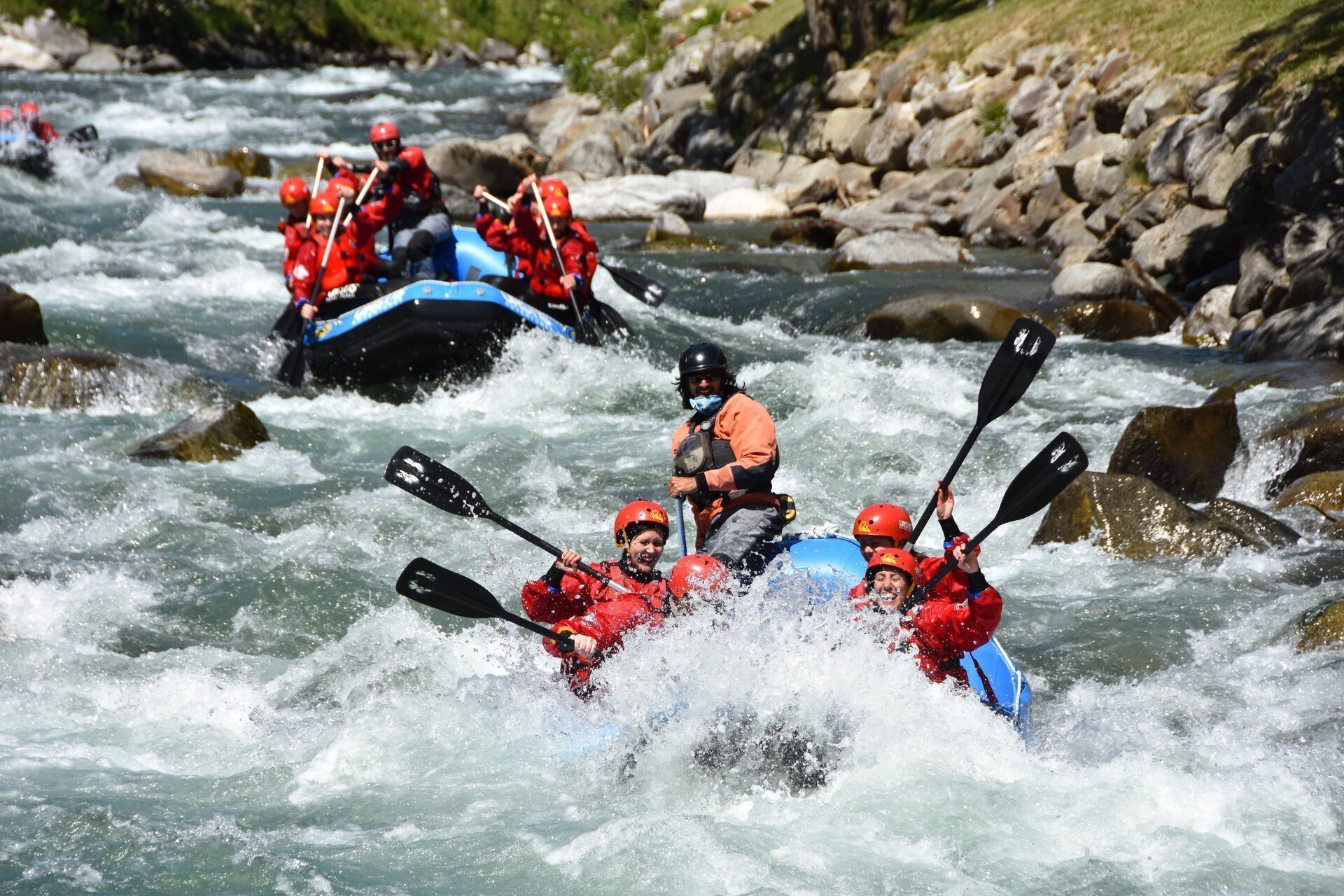
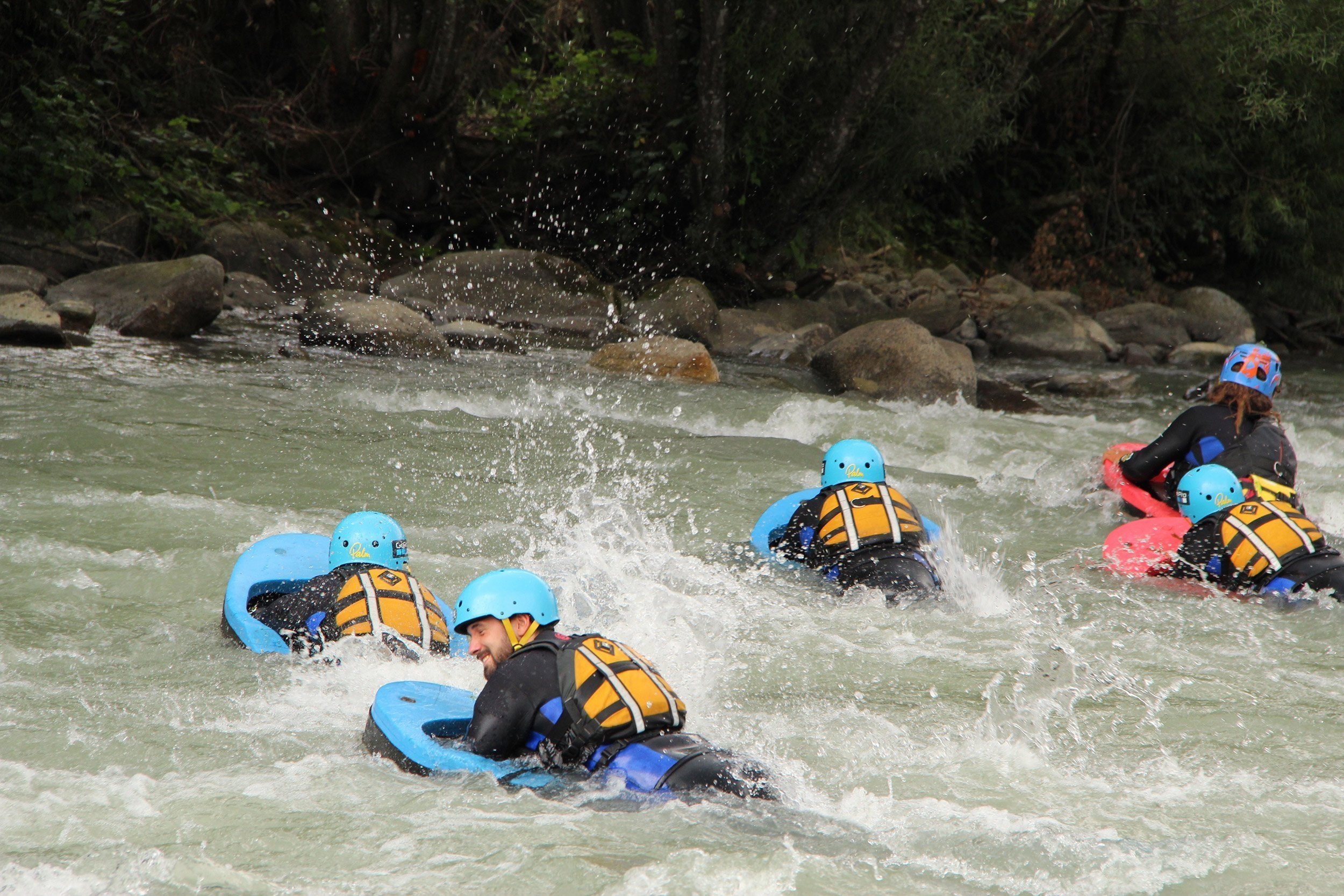
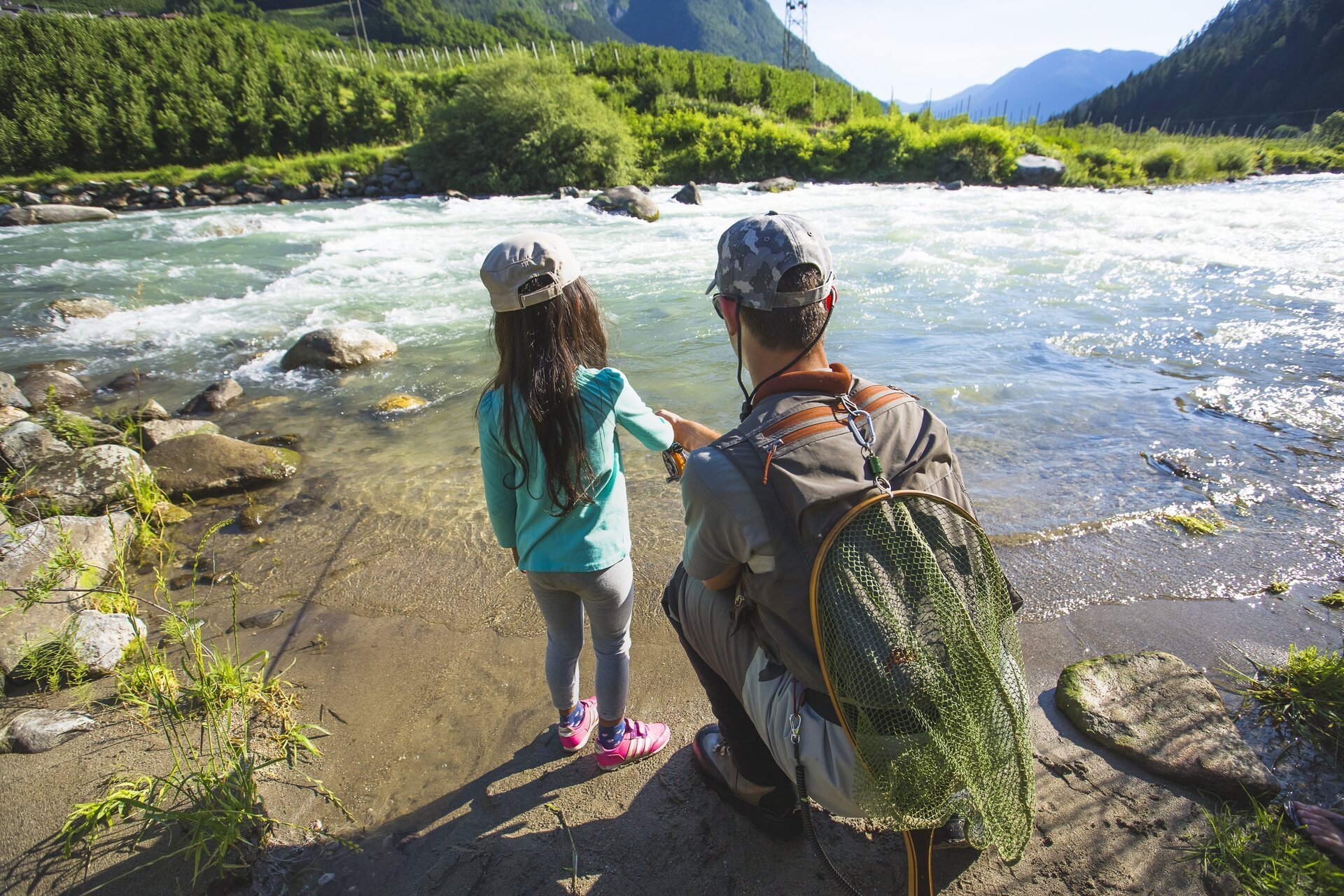
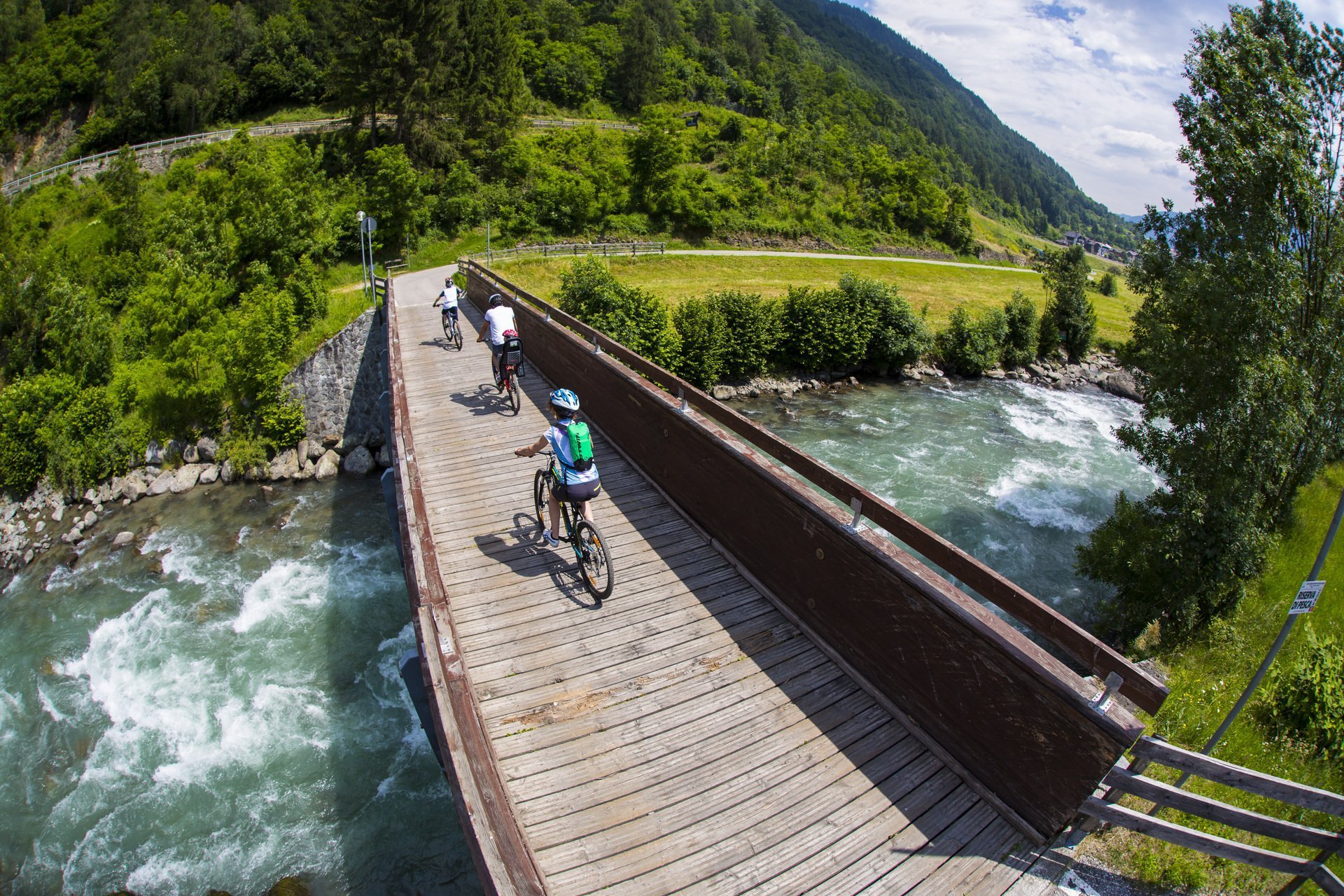
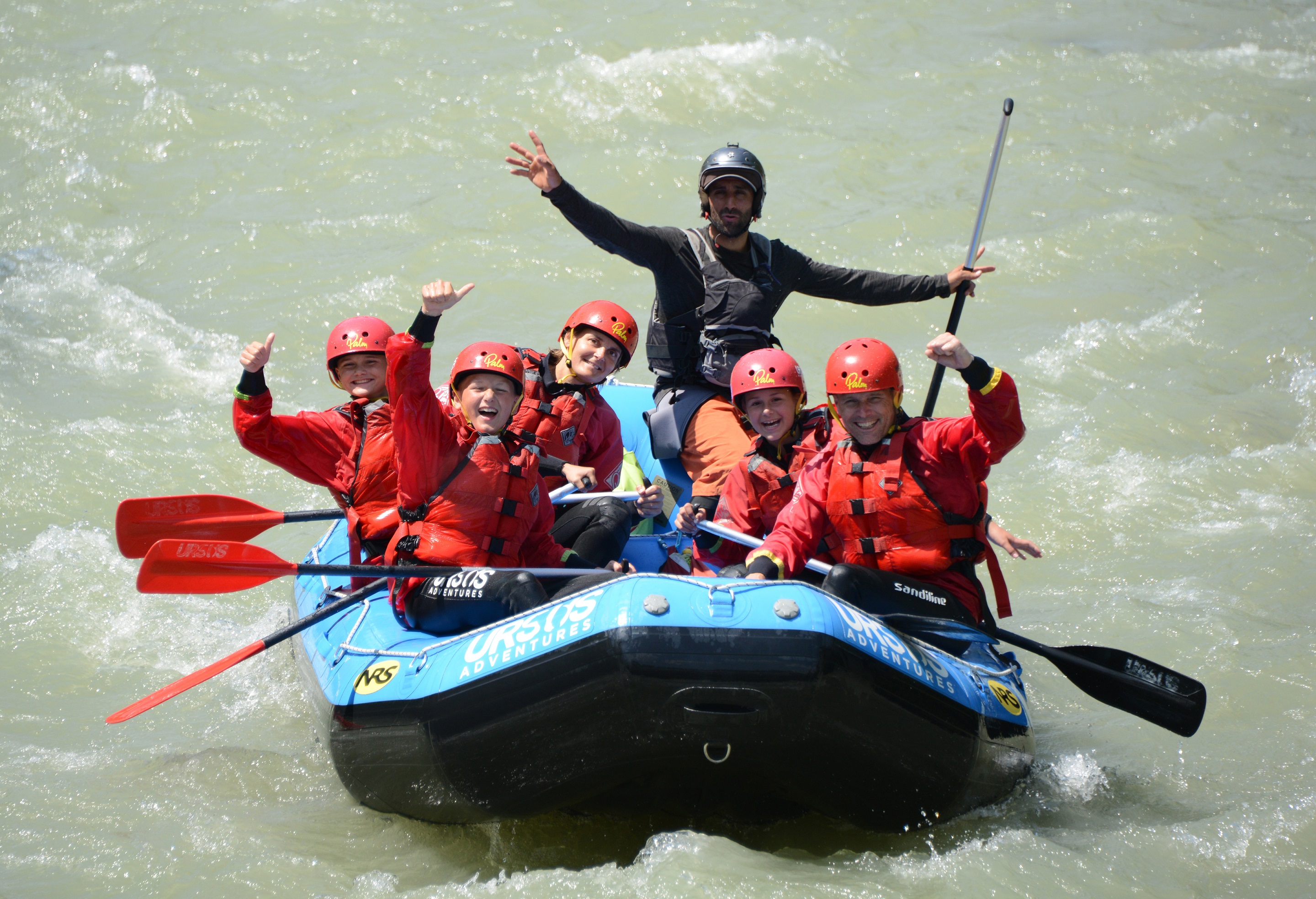
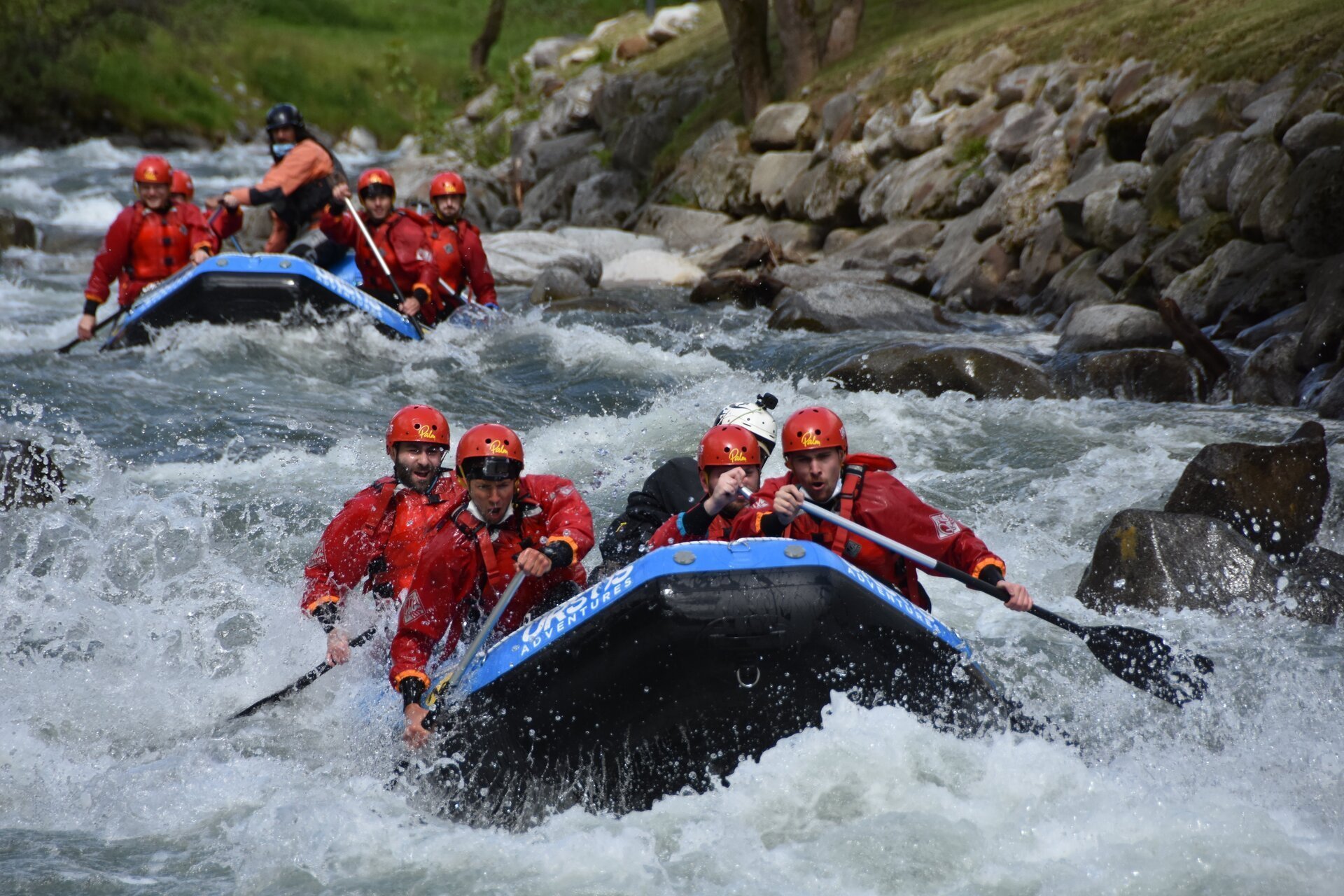
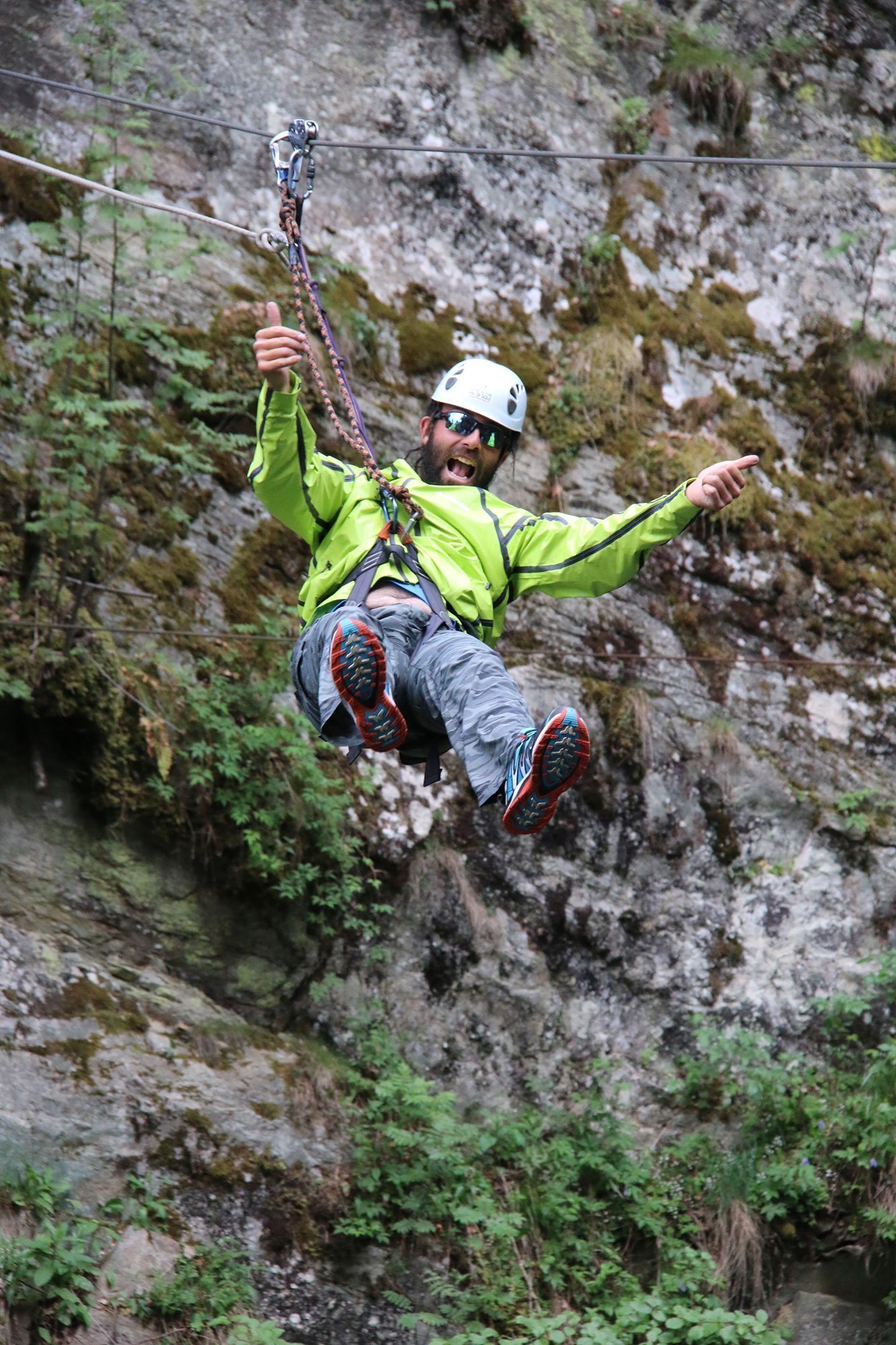
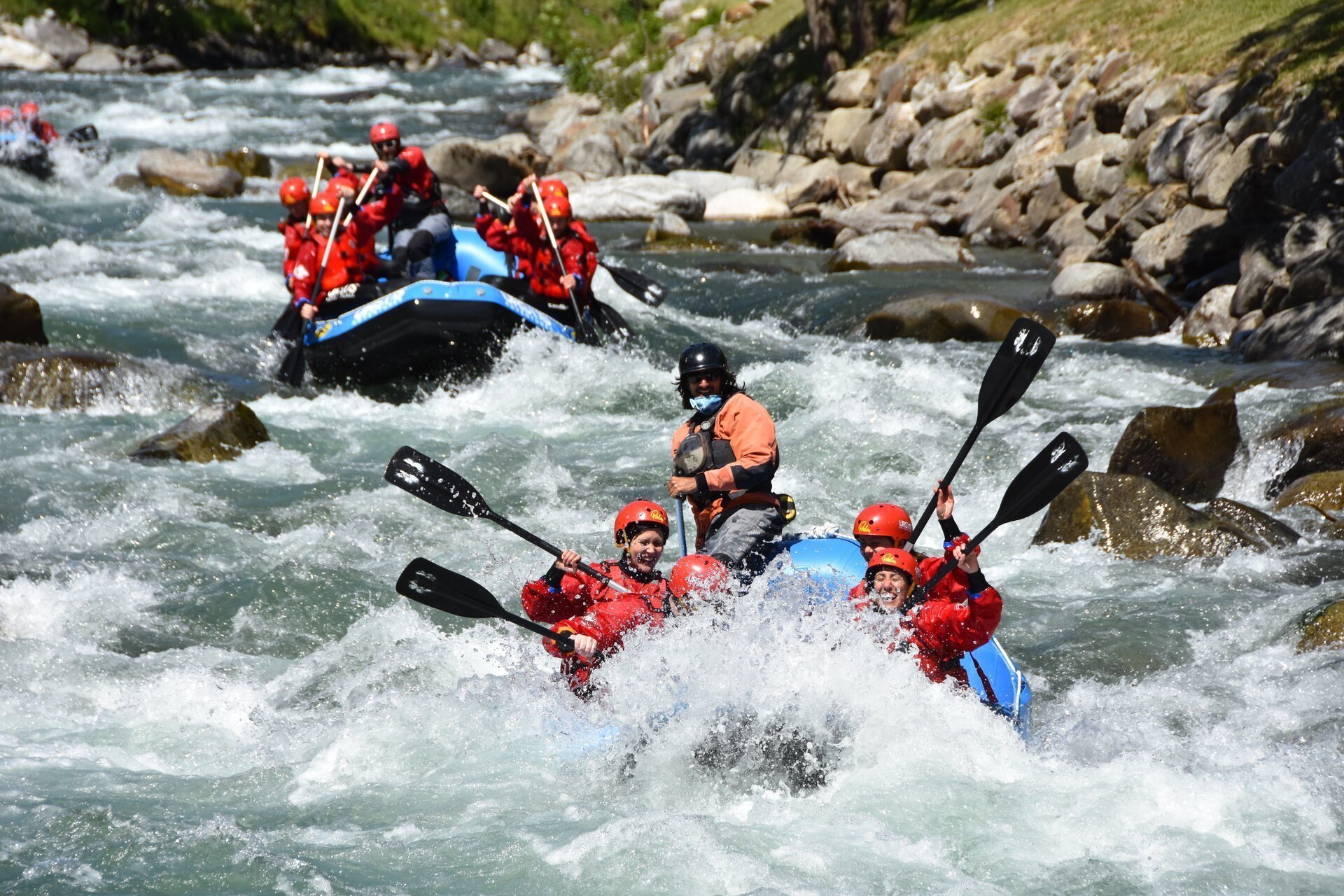
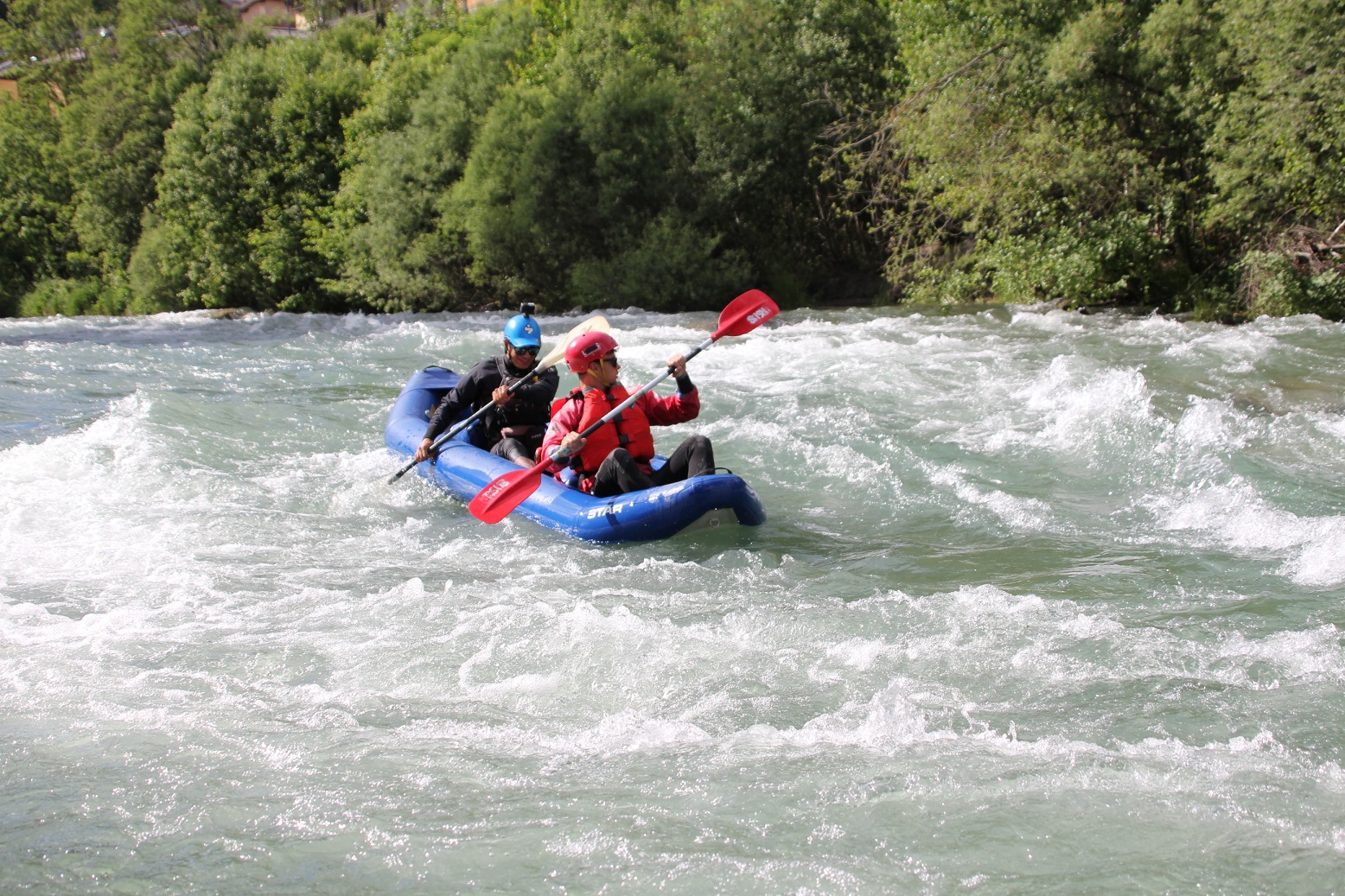
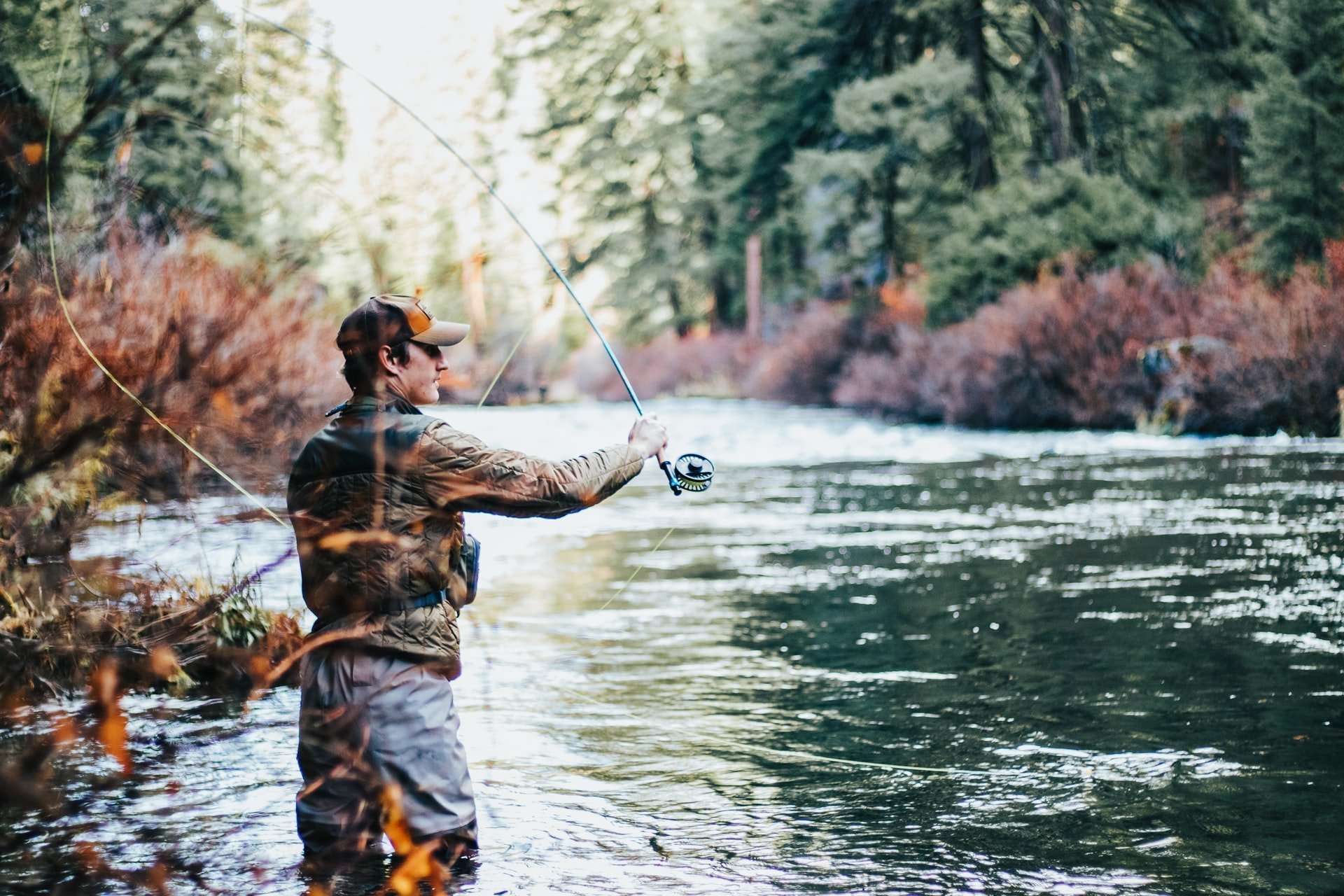
The Noce River is one of the most important river sports routes in Italy, both for its difficulty and the length of its navigable stretches and for the incredible landscapes that surround it. There are numerous activities linked to this river: rafting, fishing, tarzaning and cycling along the cycle path.
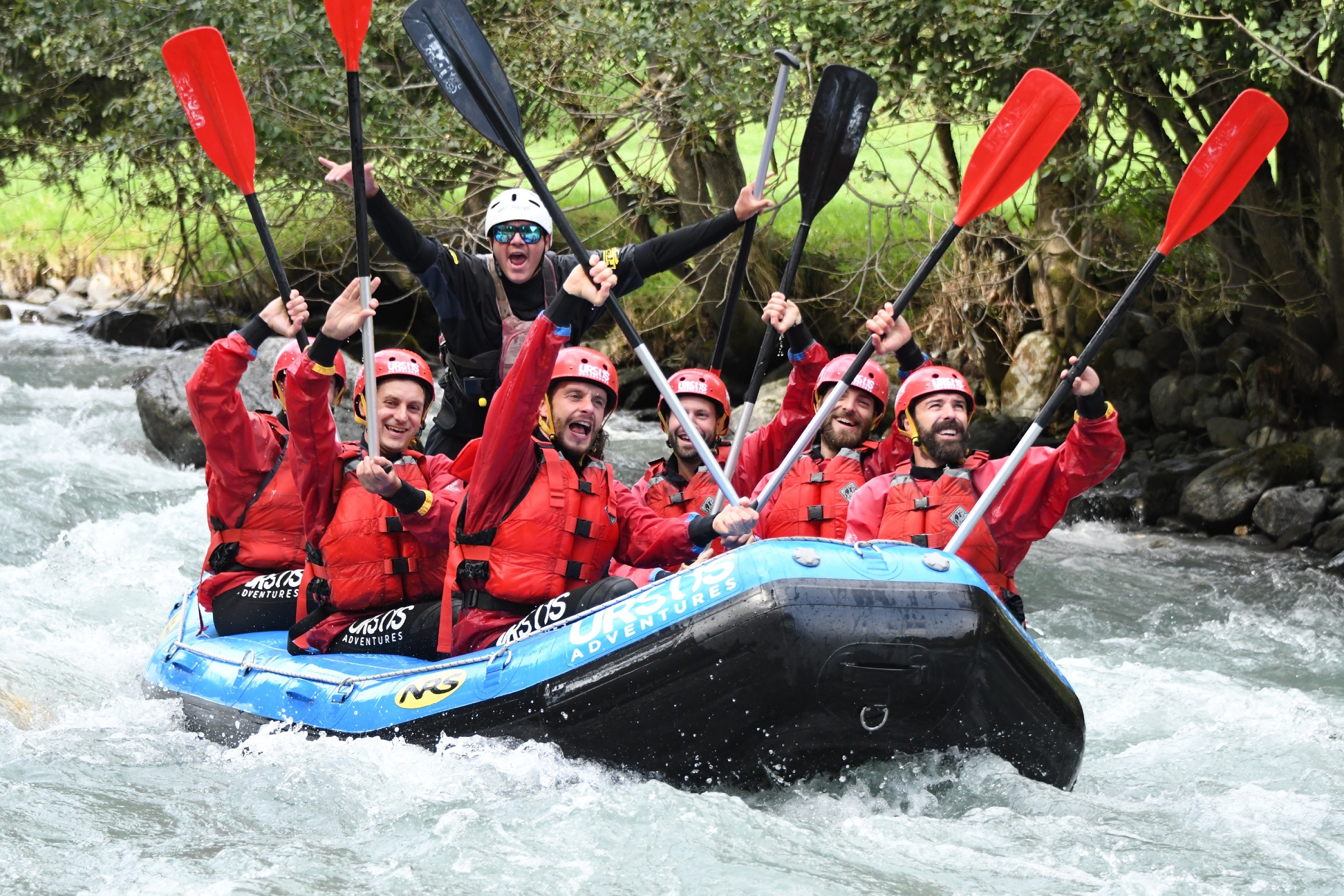
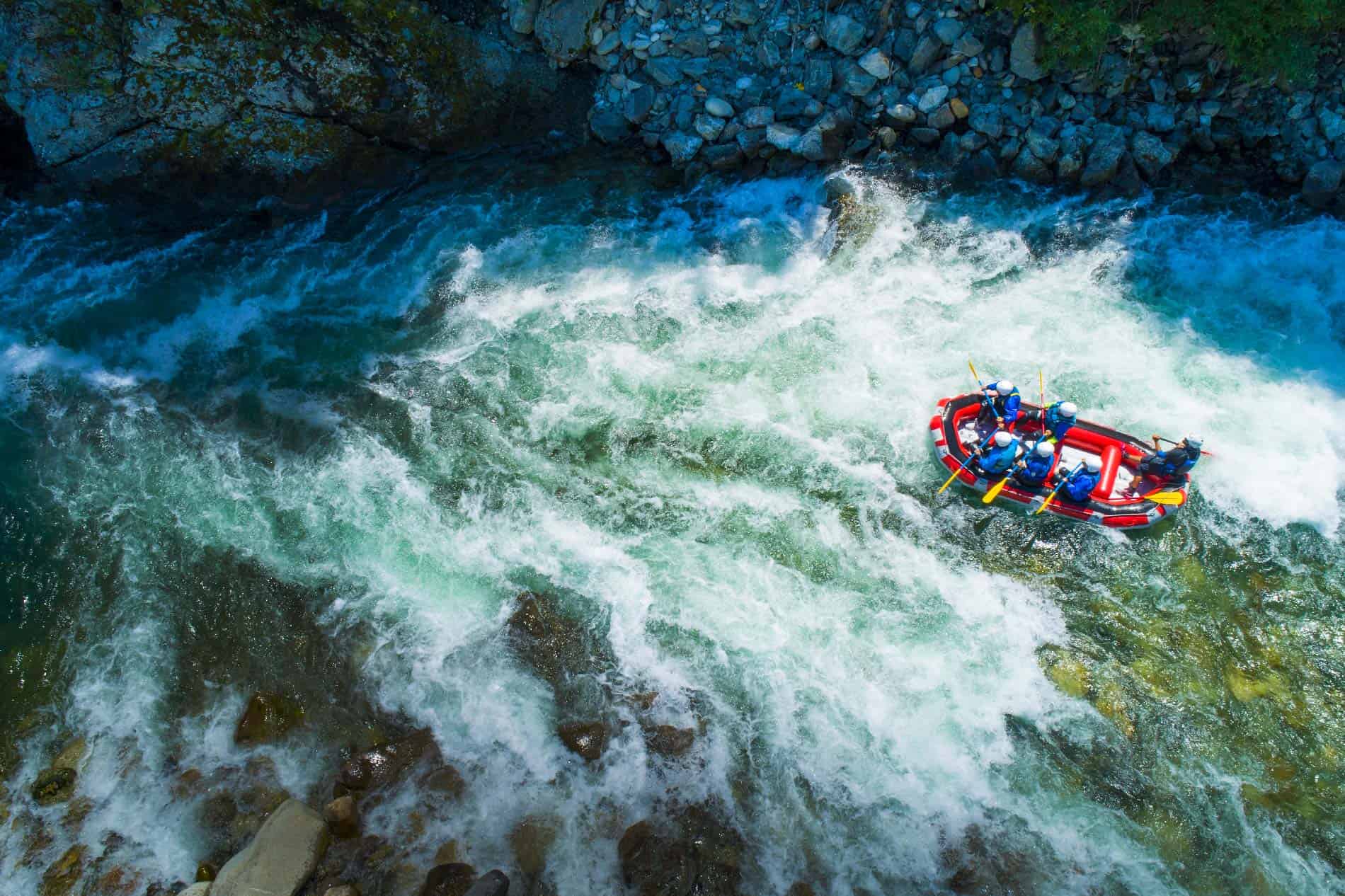
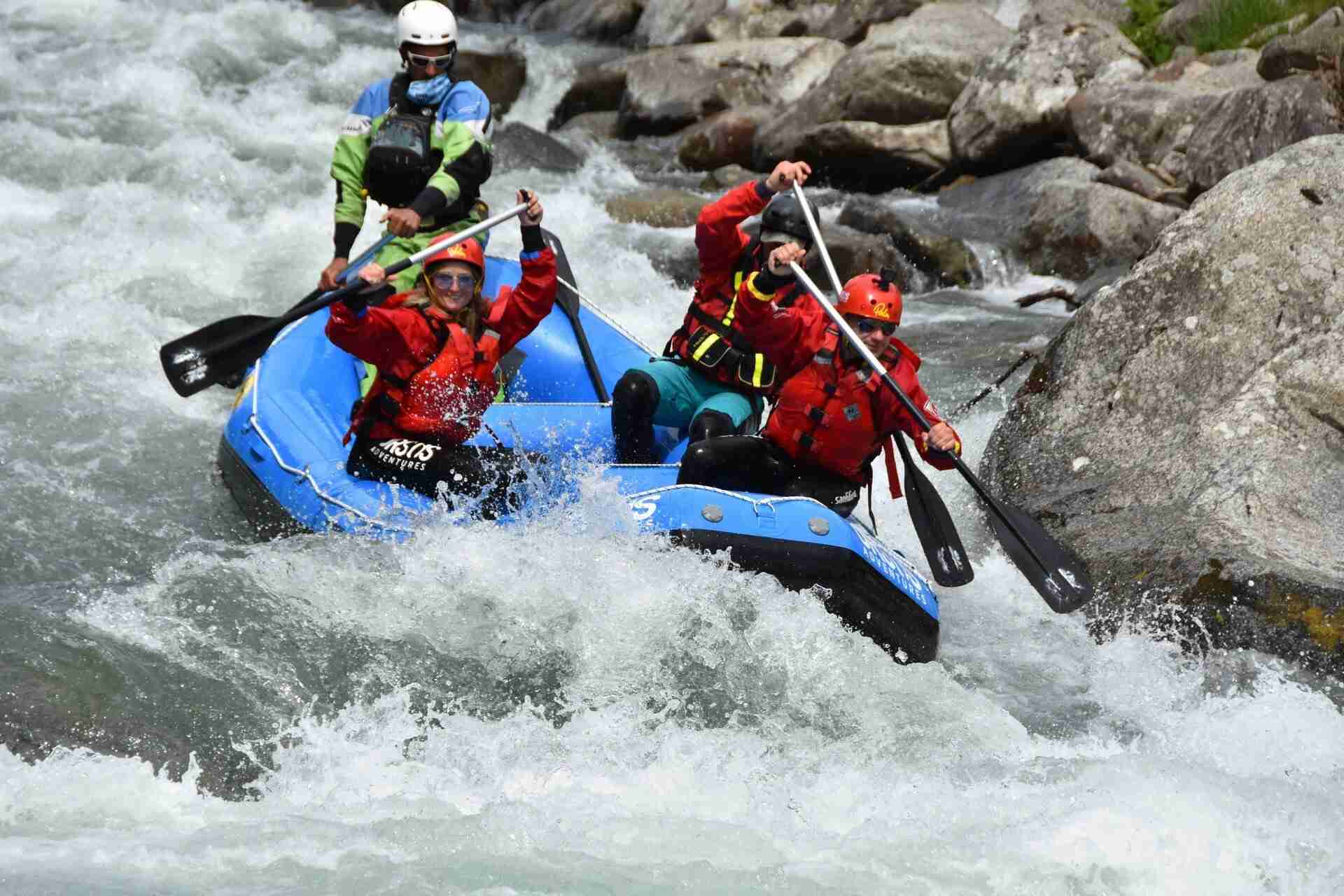
But the most famous sport is definitely rafting, which is an adventure on board a floating dinghy, navigating the river by paddle. And why is it such a unique experience?
Because the National Geographic has included the Noce among the top 10 rivers in the world for river sports, and this torrent is the only one in Europe in this special ranking!
Rafting is an activity suitable for everyone: families prefer undemanding stretches of the river, but it is also an ideal destination for experts, who can find 'bread for their teeth' by challenging the icy waters of this watercourse. The Noce is a river of history, landscapes and biodiversity: the Alto Noce River Park ensures the management of protected areas and its river and tributary areas.
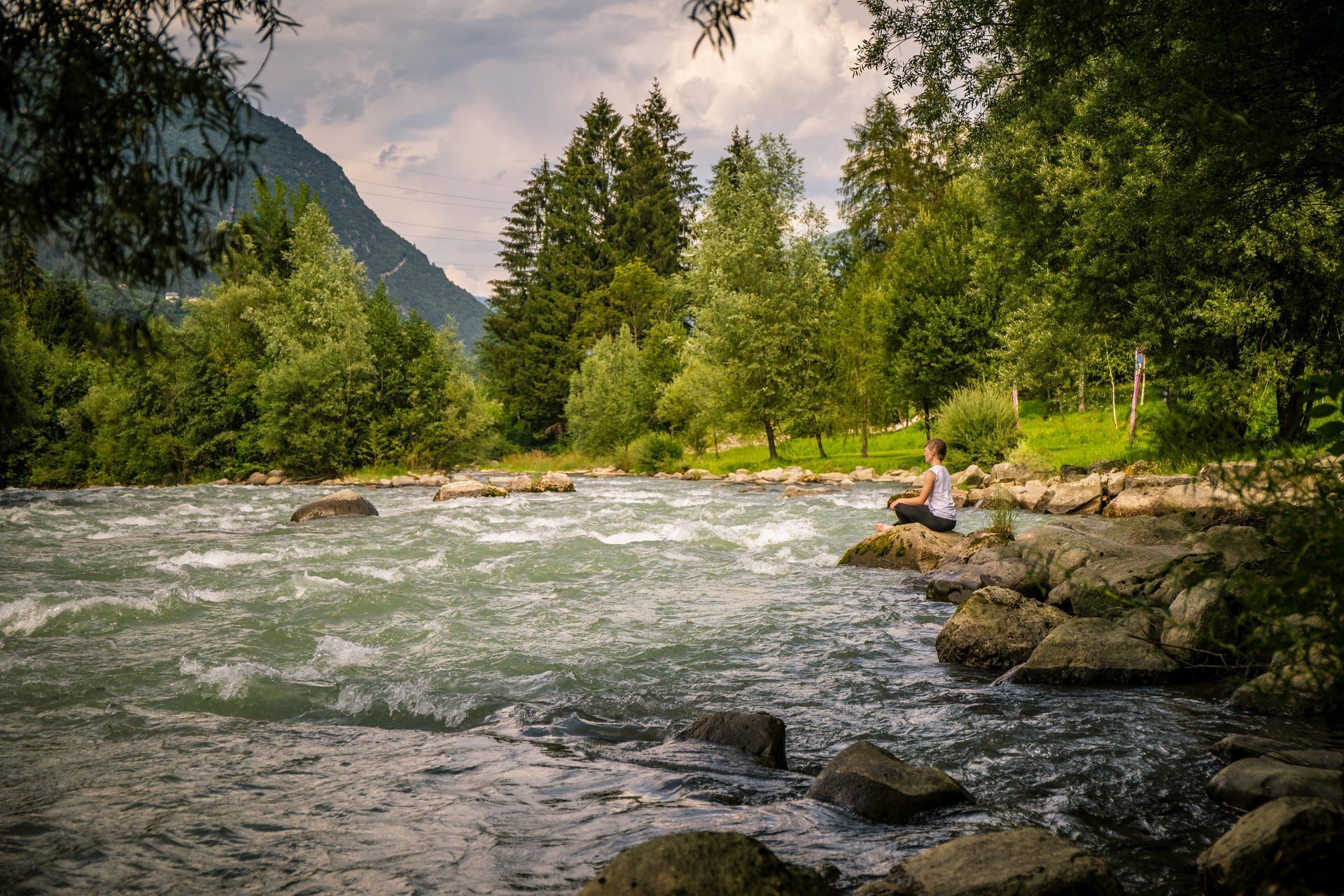
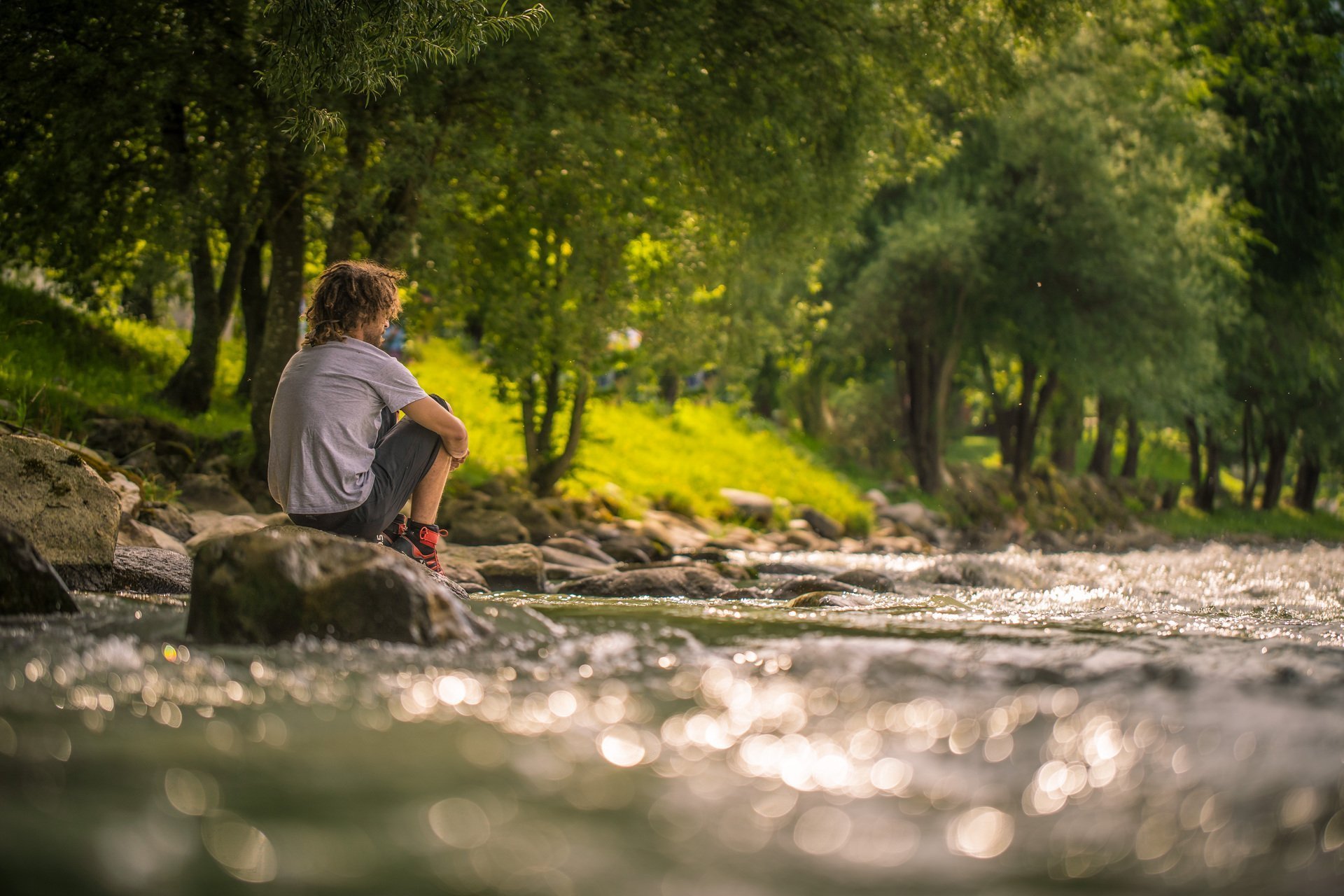
The Upper Walnut River Park
The Noce River is a river of history, landscapes and biodiversity: the Alto Noce River Park ensures the management of its protected areas and tributaries.
The Alto Noce River Park was established in 2015 with the aim of managing and promoting the protected areas and river basins of the river Noce (which is actually a torrent, but in common parlance is called a river) and its tributaries, Vermigliana, Rabbies and Meledrio, and making them known in the historical and environmental context in which they are located in order to protect their biodiversity.
The River Park is therefore a natural extension between the Stelvio National Park and the Adamello Brenta Nature Park, and it is thanks to its establishment that the Val di Sole can now count on a protected territory, equal to about half of its surface area.
The aim of the River Park is to protect and enhance the territory, the historical and natural heritage of the Alto Noce river shaft, developing sustainable economic activities in favour of the local communities and promoting an environmental culture in all age groups.
The first President of the Alto Noce River Park from 2015 to 2020 was Alessandro Fantelli, founder and manager of the Ursus Adventures Rafting Centre, which is characterised not only by offering outdoor experiences but also by its focus on environmental protection.
The main forms of life
Having disappeared or become rare in the main watercourses on the valley floor and in most of their tributaries, due to the alteration of aquatic environments in the second half of the last century, the scoter has retained significant populations only in a few spring waters and streams in Europe. It never exceeds 15 cm in length and its colouration is in brown or greenish-grey tones with darker spots. It is an excellent indicator of the quality of the aquatic environment, as it does not tolerate even slightly polluted water.
Another important species we can find along the Noce is the marbled trout (Salmotrutta marmoratus), which finds a perfect habitat for its reproduction, particularly in wetland and riparian areas such as the Croviana marshland. It is a precious endemism (i.e. it is found nowhere else in the world) of the Po Valley of the Veneto and the southern Alpine region.
Reproduction takes place between October and December, mainly in areas with calmer waters, often associated with riparian vegetation; in fact, on the ascent of the watercourse the female seeks out areas with gravelly bottoms, with weak current and shallow depths, where she prepares a nest in which she lays her eggs, which are then fertilised by the male and covered with gravel, to hatch after about two months.
As you walk down the banks of the Noce River, it is easy to get distracted by observing the spectacular hunting of a kingfisher or to stop and admire the unusual prey of the little shrike. Birdlife plays a fundamental ecological role in the river environment and the river is a rich environment for food and shelter in which many species can thrive.
The dipper, for example, which is widespread throughout the Alps, is not lacking along the Noce. It is a very skilful swimmer and hunts the invertebrates it feeds on by swimming or walking in the river water. The name probably derives from its great affinity with water. In fact, it is difficult to see it resting on a branch of a plant. To rest, it rests on stones or other perches emerging from the water. Even the nest is not built on a tree, but on a rocky ravine very close to the water, almost always behind a waterfall or a waterfall.
Experiences on the Noce River in Val di Sole

Request information
You might be interested in