Natural parks
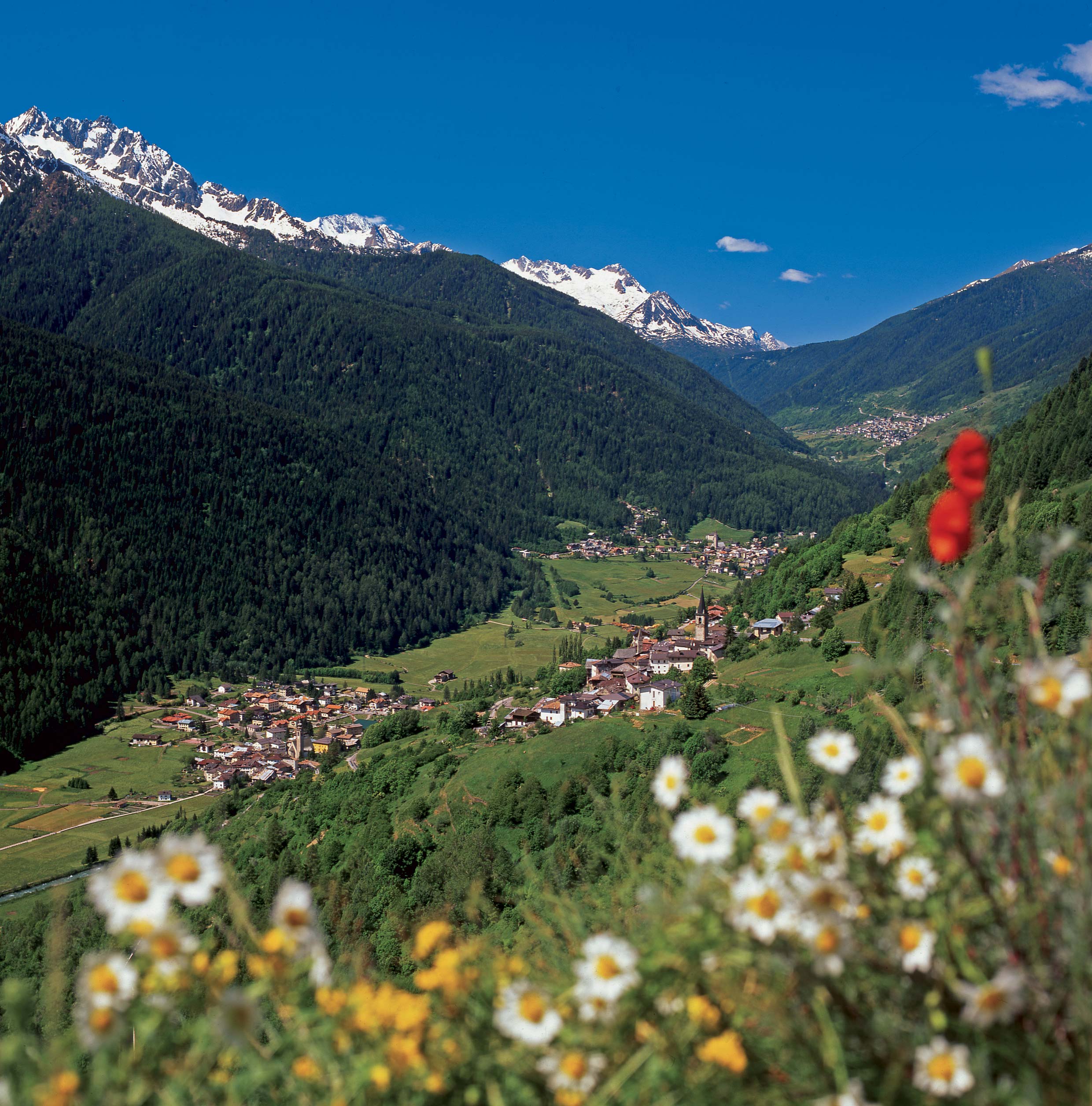
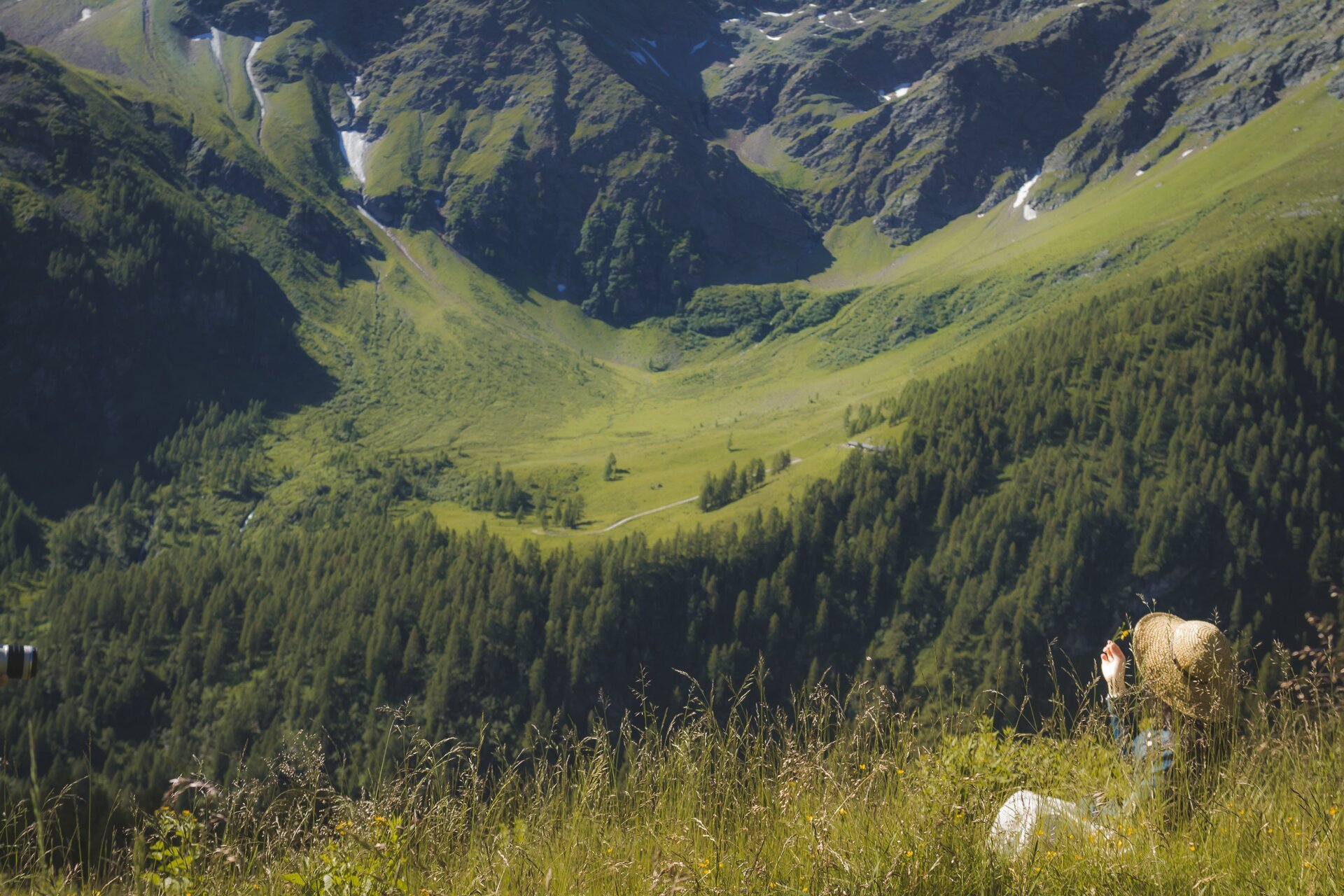
Fifty per cent of Val di Sole's territory is protected: this makes the valley a true green oasis of Trentino, which, through its population, is committed to protecting and respecting the environment as well as safeguarding its biodiversity.
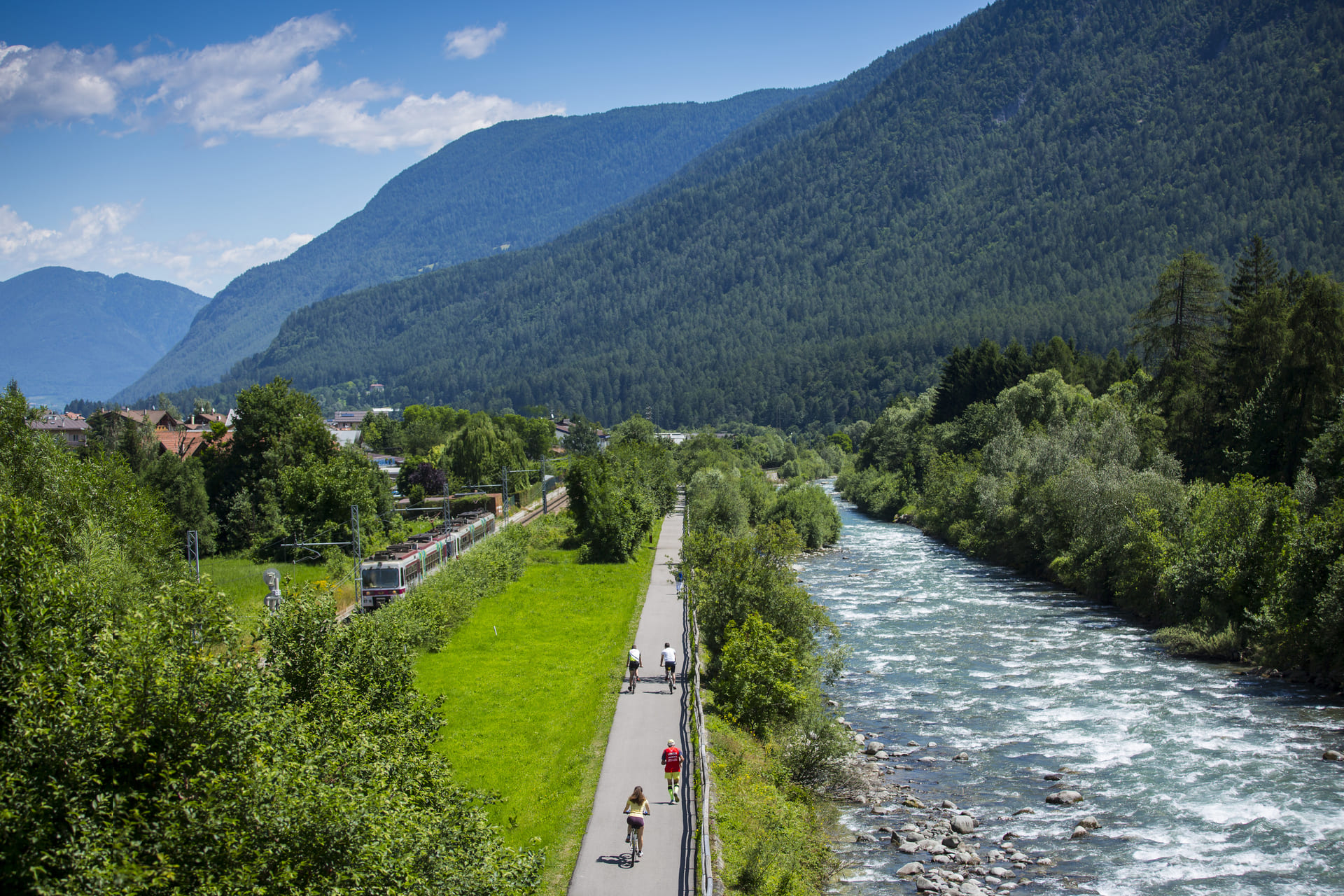
Why is half of its territory protected? Because the valley is immersed in both the Stelvio National Park and the Adamello Brenta Nature Park. In addition, the Noce River with its Alto Noce River Park lies in the middle.
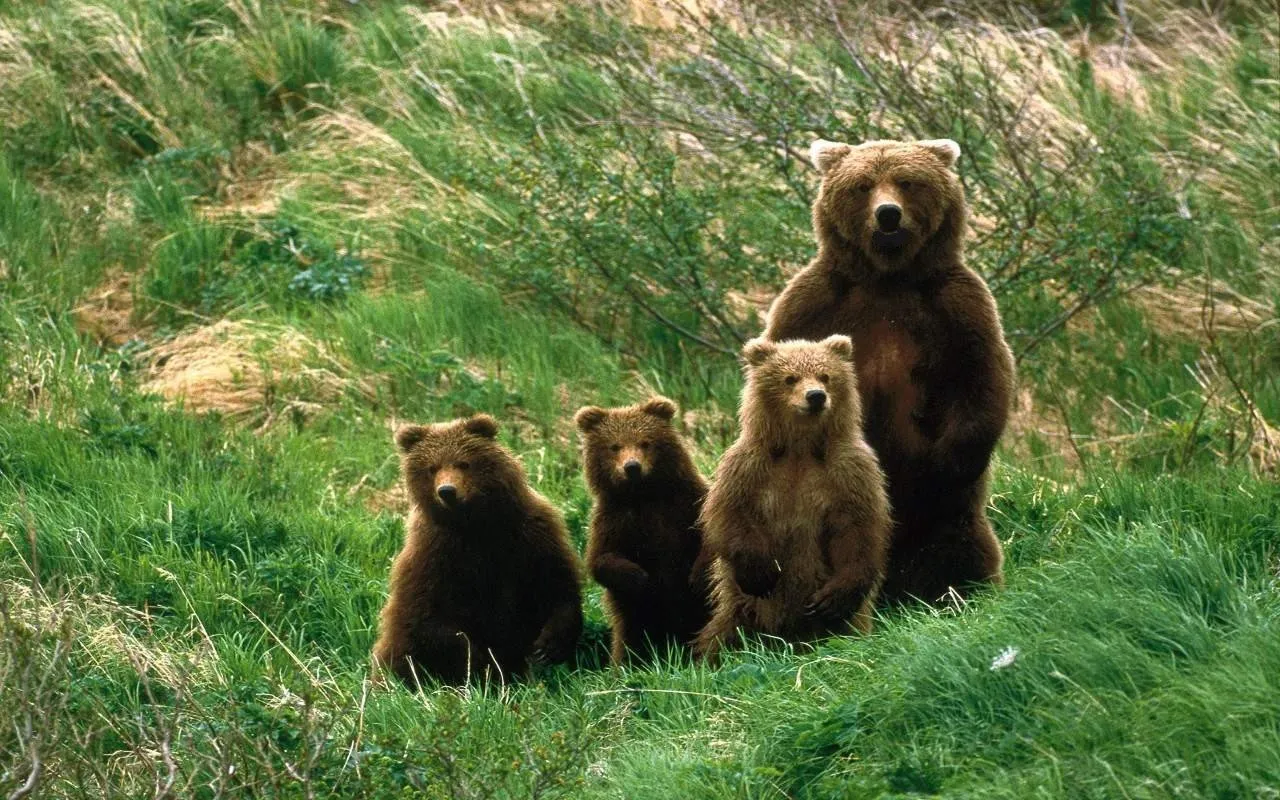
Both parks are characterised by a variety of alpine environments: coniferous forests, high-altitude pastures and peaks with perennial glaciers. They have a variety of protected plants and flowers, minerals and animals including deer, roe deer, chamois and marmots. In particular, the Stelvio Park boasts specimens of eagles and lammergeyers, and the Adamello-Brenta Park is the only alpine area where bears survive.
The nature parks of Val di Sole
The Stelvio National Park
The Stelvio National Park extends around the Ortles-Cevedale mountain range, between Lombardy, the provinces of Trento and Bolzano, and also encompasses the Rabbi and Peio valleys. The park is the largest protected area in the entire Alpine arc, and one of the largest in Europe.
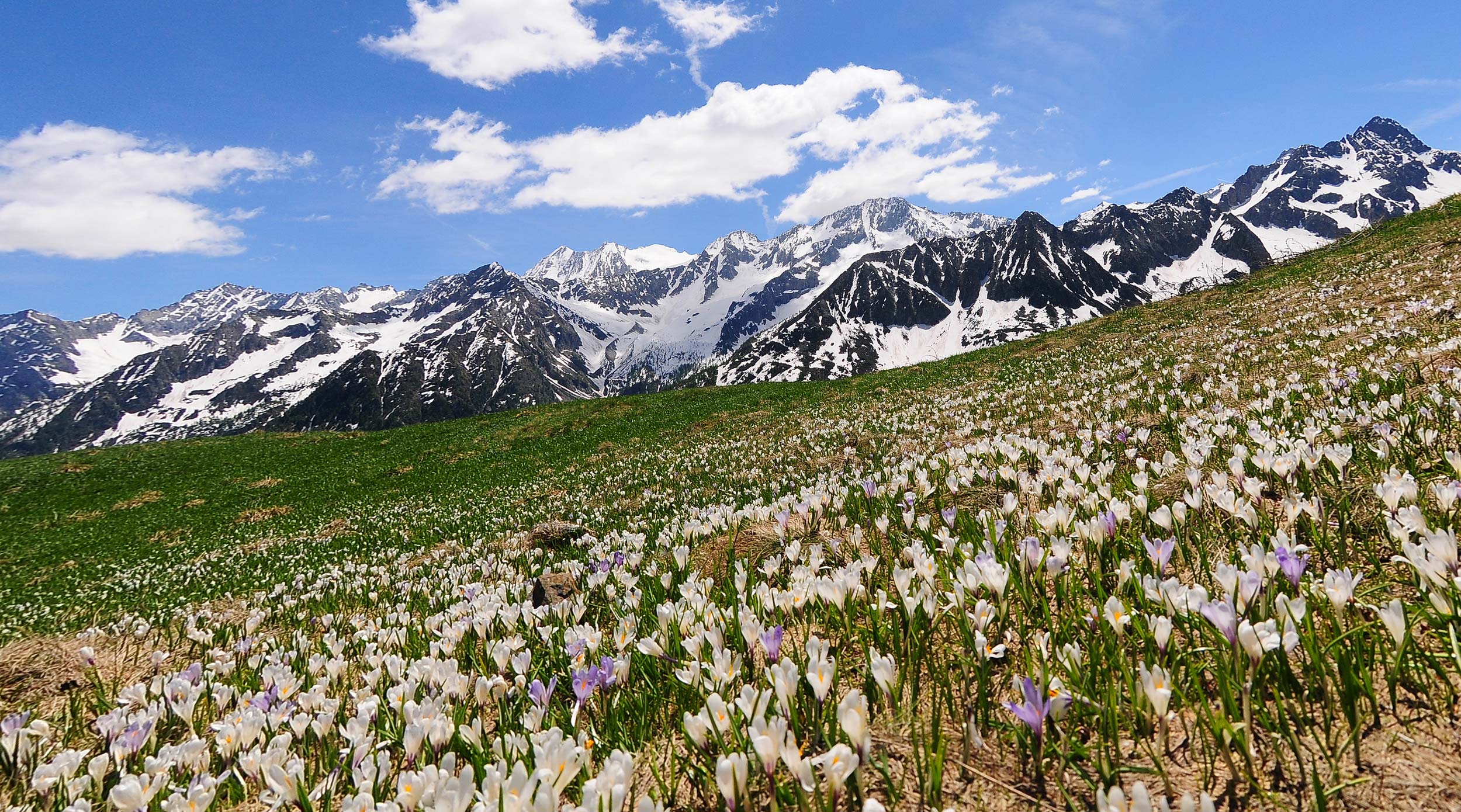
Here you will find dense needle-leaved forests, crystal-clear waters of streams and lakes, and perennial snows that paint the Park's enchanting landscapes. In every season the Rabbi and Peio valleys offer unforgettable colours: the silent white of winter, the brilliant green of spring, the turquoise of the alpine lakes in summer and the red of the foliage in autumn.
In the park you can admire the lush nature that lives in harmony with the historical human presence. On these mountains where wars have been fought, peace now reigns, with mountain huts and glaciers cloaking the peaks of the Cevedale group (3769 m), the highest mountain in Trentino.
The Stelvio National Park, one of the oldest nature parks in Italy, was established in 1935 to protect the natural beauty of the Ortles and Cevedale mountain range.
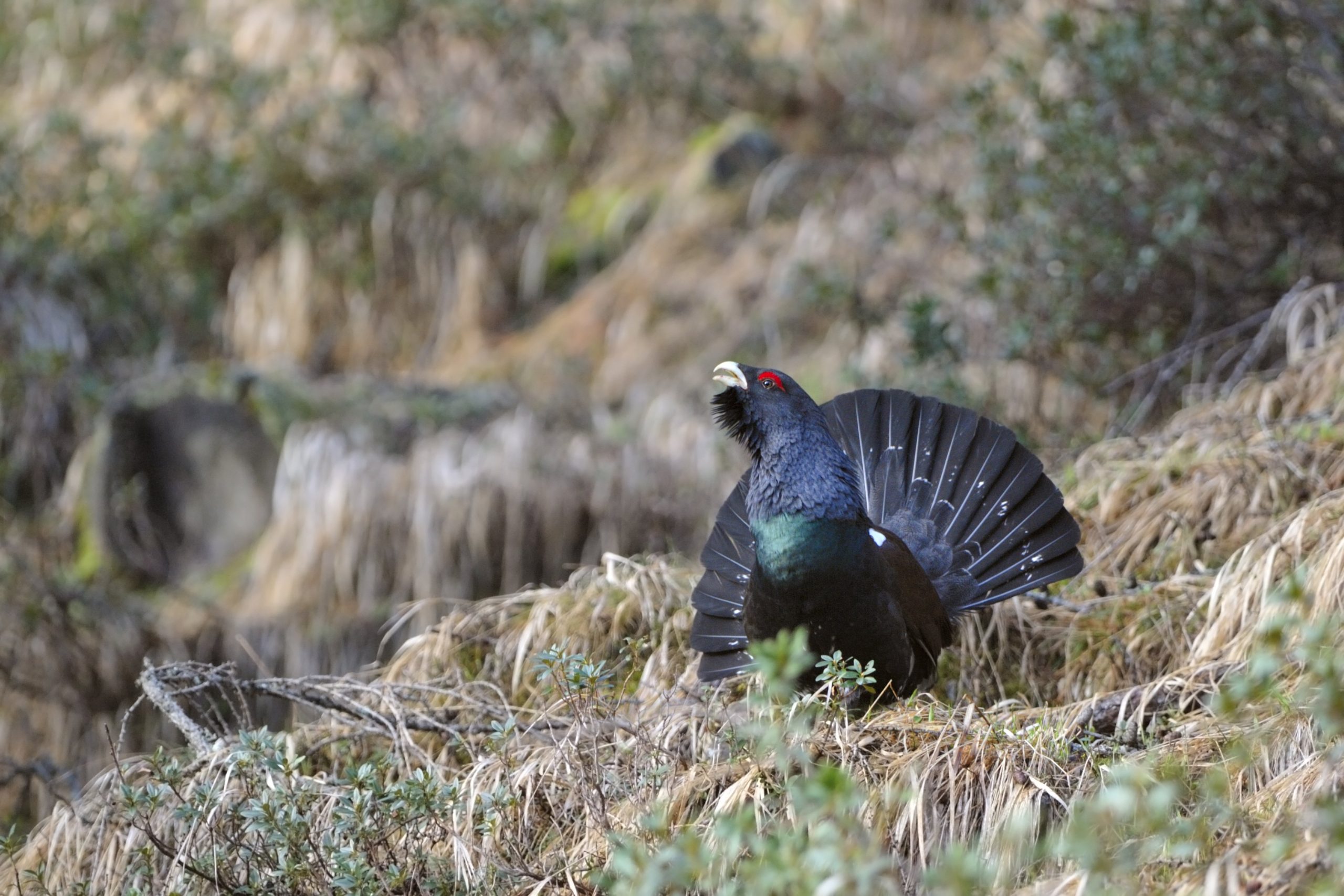
Vast panoramas where deer, ibex, chamois and roe deer find unspoilt places to take refuge, while the golden eagle soars majestically in the clear sky. During your treks, you can stop at open 'malghe' (shepherd's huts), where you can taste cheese and fresh butter, or visit mills, forges and sawmills and bathe in thermal waters rich in minerals.
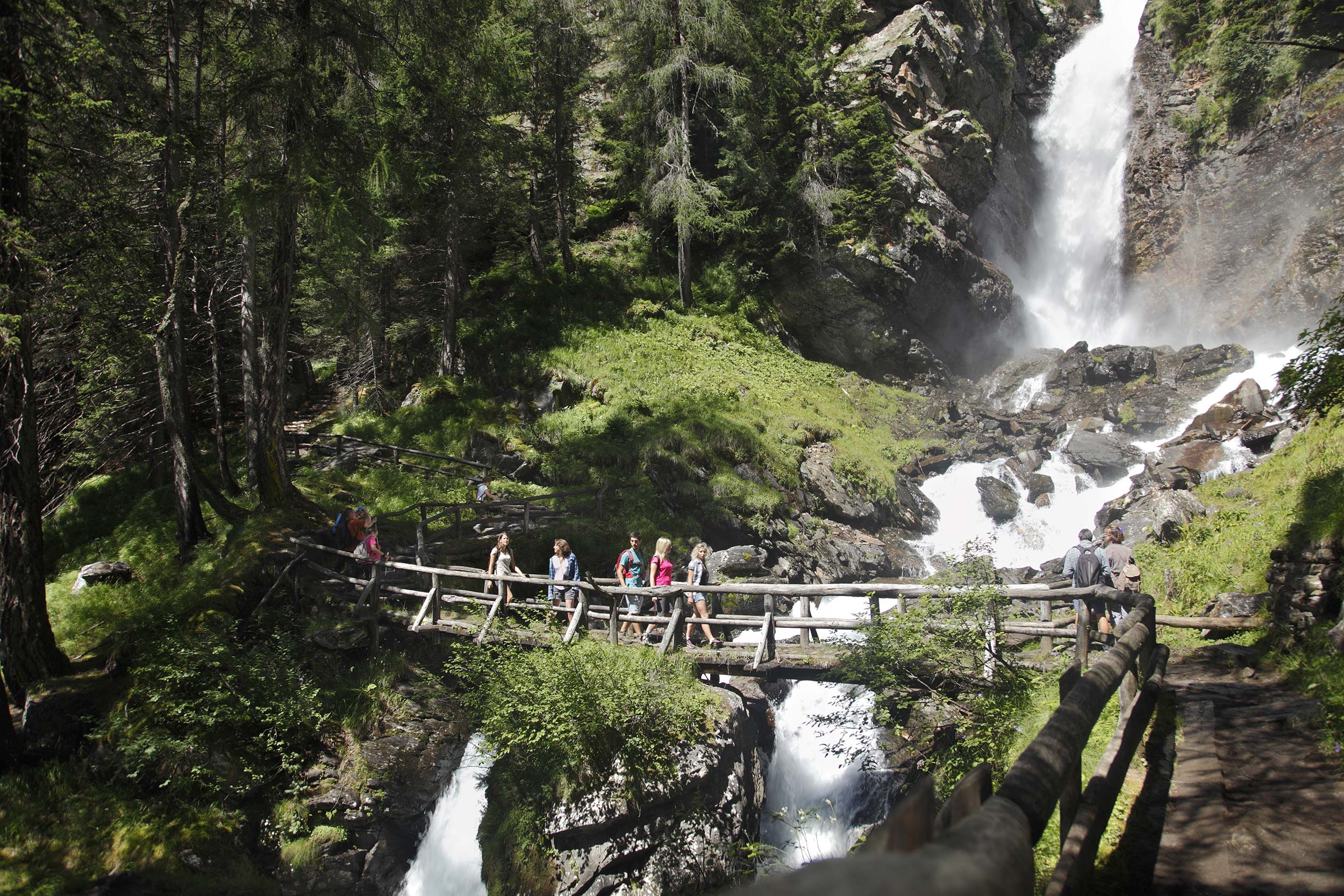
In Rabbi, you can climb 700 steps among 23 500-year-old larches or admire the Saènt waterfalls and then descend to the Rabbi Fonti visitors' centre.
From Pejo, you can access the Viòz 'three-thousanders', or browse around the Cogolo visitors' centre, the Pejo Fonti wildlife area or the dairy where the Casolét cheese, a Slow Food presidium, is made.
The protected area in the Trentino part is easily accessible and can be visited at any time of the year. For information, organisational requirements and bookings, please contact the information centres or the Stelvio National Park office in Cogolo di Peio. During your visit to the National Park, trained and professional guides will be happy to be at your disposal for any curiosity, doubt and advice.
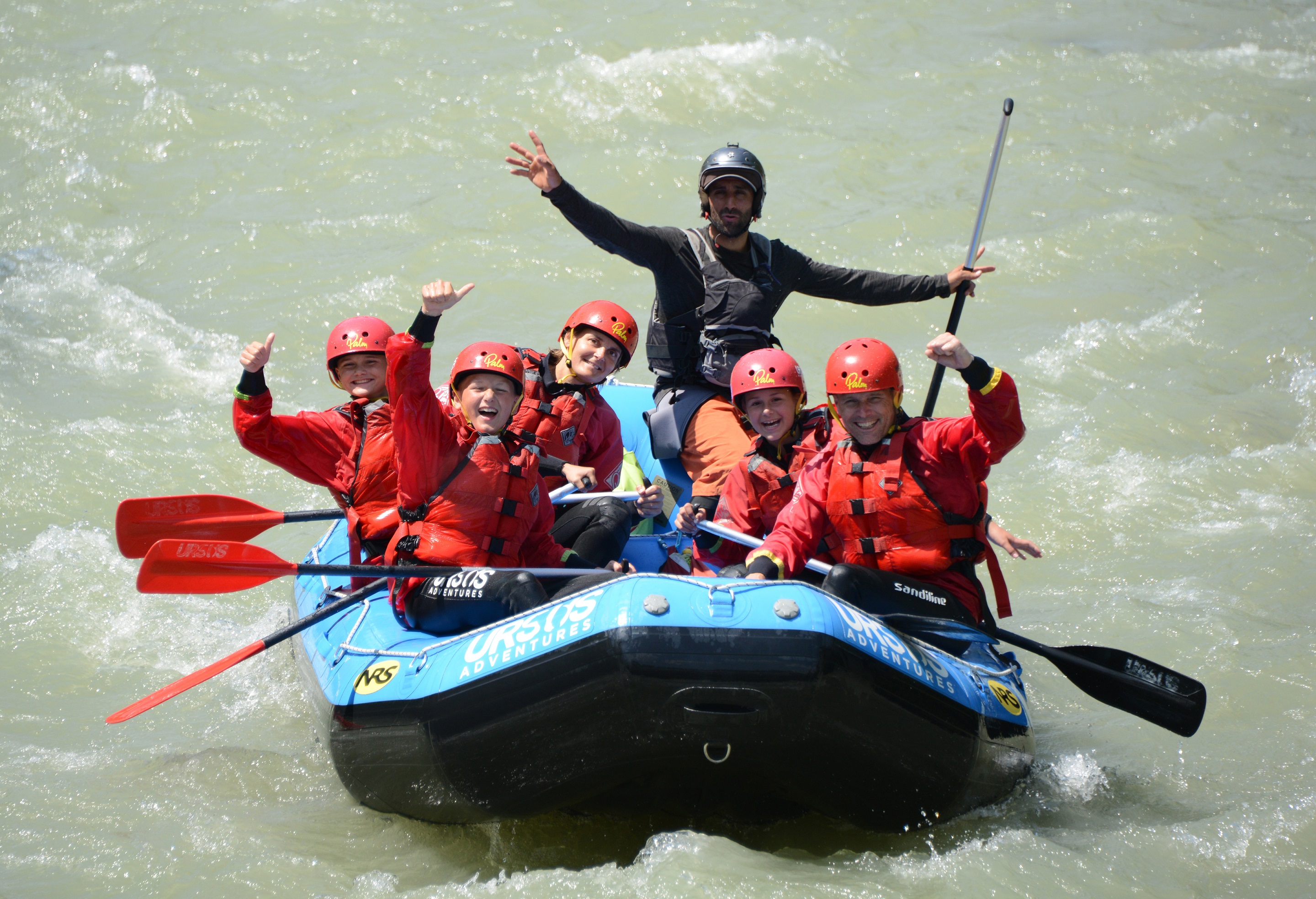
For accompanied treks and nature excursions to discover the Park's animals, contact Ursus Adventures, a centre specialising in quality outdoor experiences.
The Adamello Brenta Nature Park
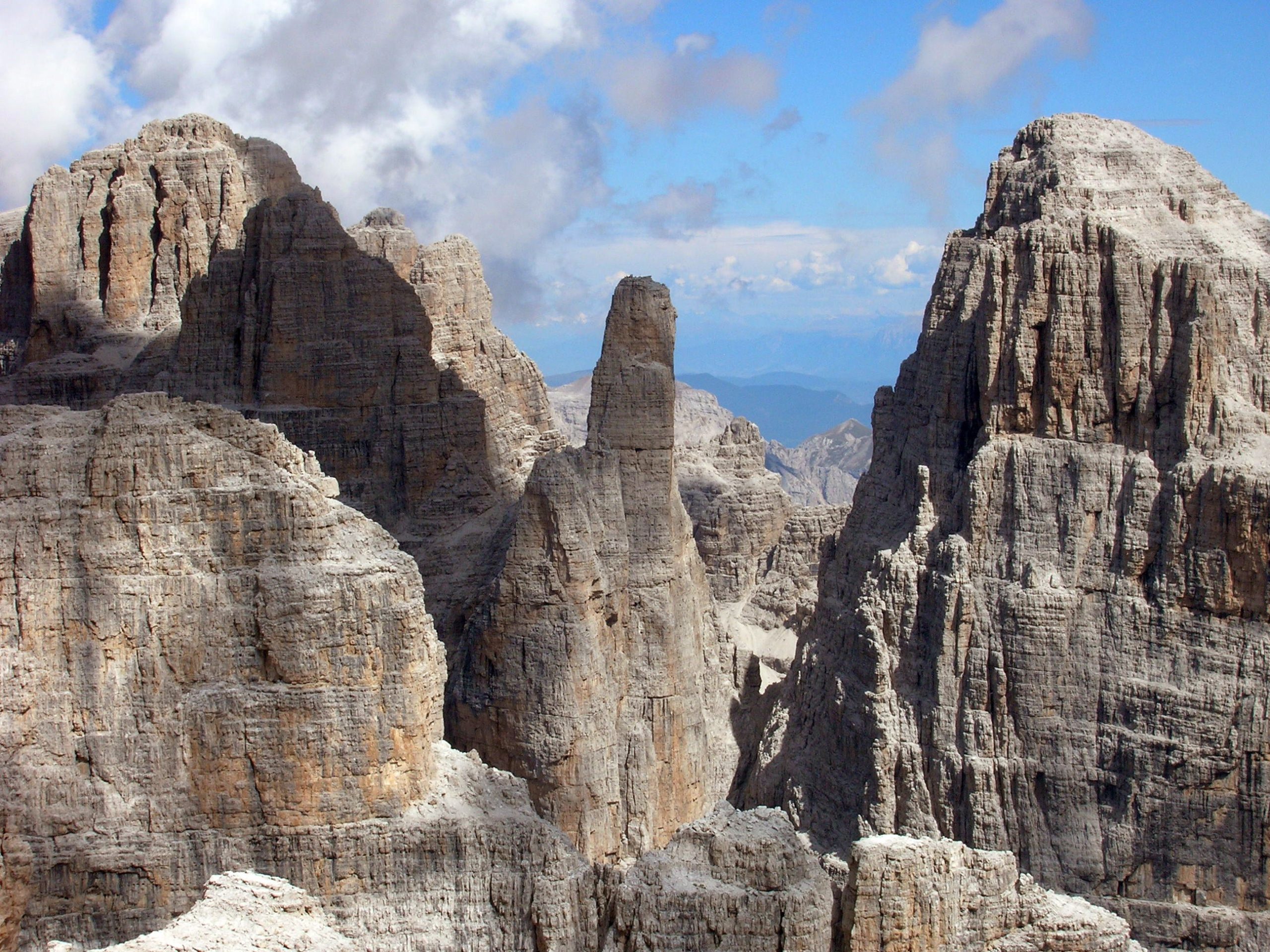
The Adamello Brenta Nature Park is the largest protected area in Trentino and includes the Brenta Dolomite group to the east and part of the Adamello-Presanella granite massif to the west, where some of the most important glaciers in the Alps still survive. In Val di Sole, the Adamello Brenta Park touches the municipalities of Dimaro Folgarida and Commezzadura.
The Brenta mountain group is part of the Dolomites, which were recognised as a UNESCO World Natural Heritage Site in 2009 for their unique landscape and scientific significance.
Here you can find as many as 1,300 different species of plants and flowers, numerous large and small wild animals, glaciers, coniferous forests and many small alpine lakes. The Adamello Brenta Nature Park, founded in 1967, has been recognised as a Unesco Global Geopark, thanks to its rare geological and morphological heritage of great scientific interest.
Its unique stone castles adorned with towers, bell towers, daring spires and vertiginous walls have given it this prestigious recognition. Here, the rocks tell of ancient seas. For millions of years, in fact, before turning to stone, sediments accumulated on the shallows, which have now disappeared.
The geology of the different rocks testifies to a history of more than 350 million years. In the Geopark, very different environments have followed one another. In the various geological periods of the past, we have gone from volcanoes to deserts, and from the bottom of crystalline tropical seas to today's glacier-covered peaks.
After learning about its history, admiring its high peaks and touching its ancient rock, visit the park on foot. You can wander through dense forests, cool off in rushing streams and feel at one with nature, breathing clean air and admiring different species of plants and wild animals, such as deer, roe deer, chamois, eagles, ibex and foxes, as well as badgers, marmots and snow grouse.
The Park offers many attractions: from Lake Tovel, once coloured red at Val Genova, the crystal-clear springs of Vallesinella to the panoramic Cornisello lakes at the foot of Presanella (3558 m), to the 'fiery' sunsets over the Dolomites.
The park offers a dense network of trails that will allow you to visit it safely on foot and climb to high altitudes, sometimes even by cable car, to taste traditional dishes and stay overnight in the alpine refuges.
Flora
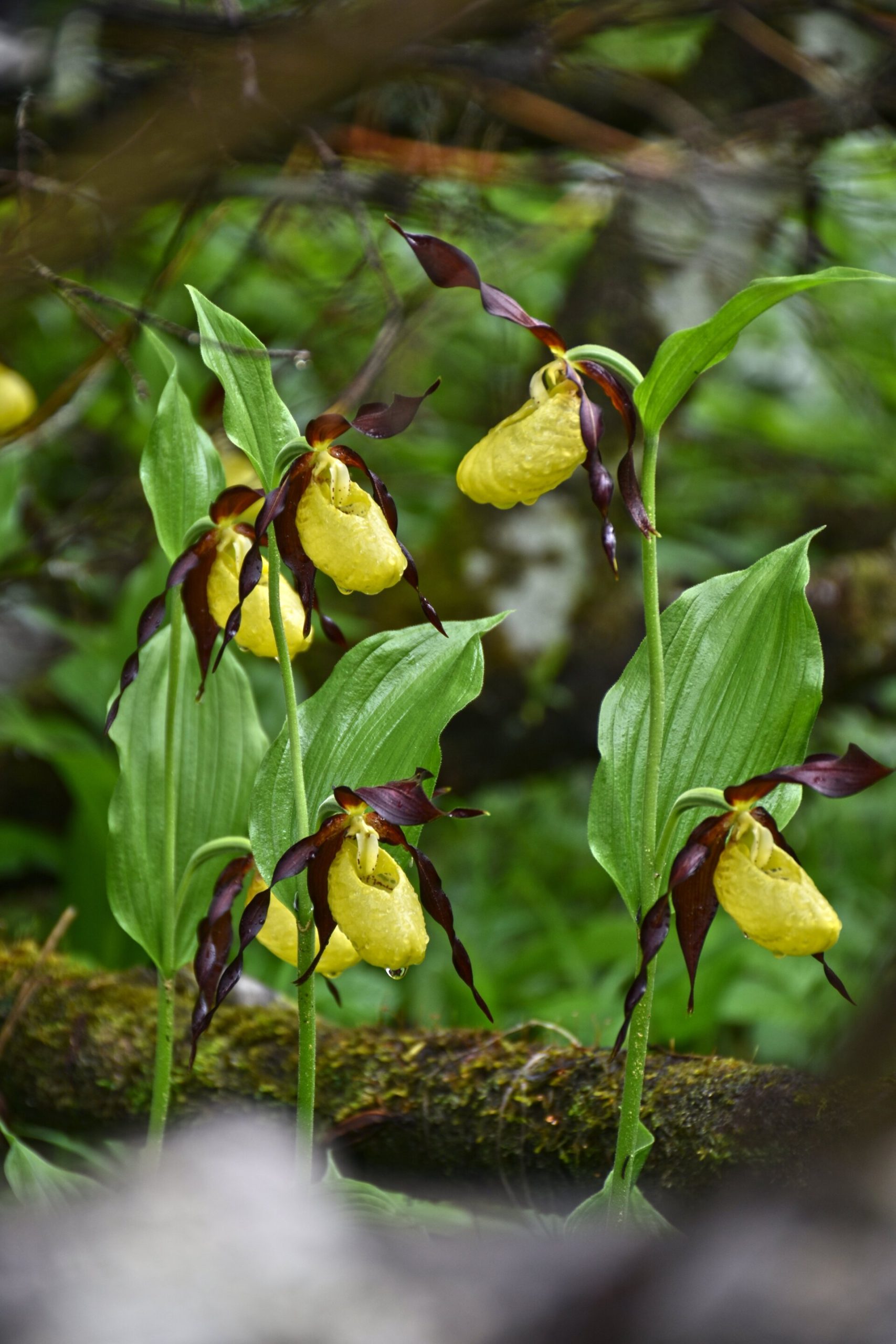
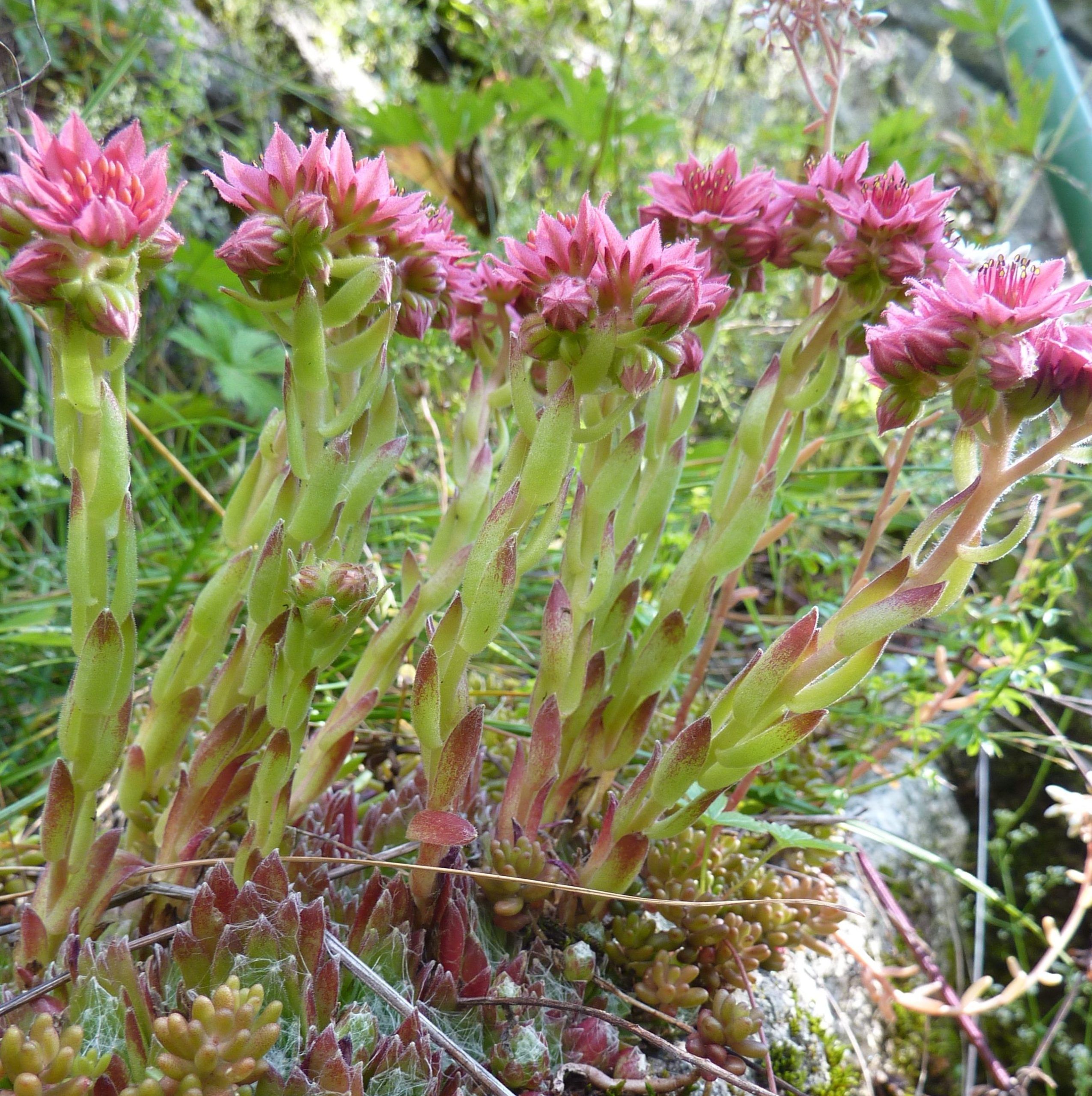
The richness and variety of the flora and vegetation of the Adamello Brenta Nature Park has few comparisons in the entire Alpine arc. The extraordinary variety of flora is due to the morphological, geological and microclimatic differences of the territory.
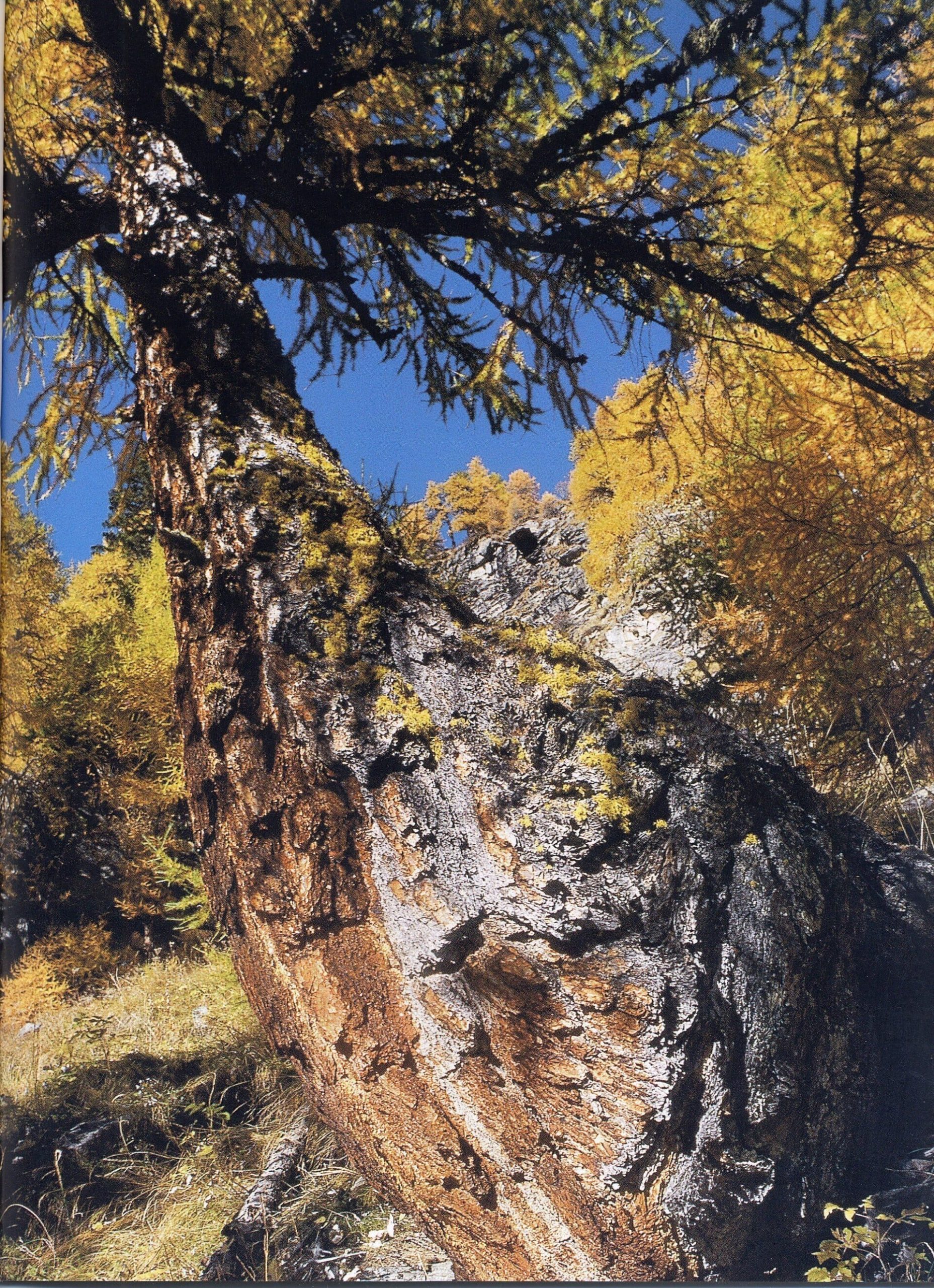
Approximately one third of the park's surface area is covered by woodland, which in the lower reaches consists mainly of broad-leaved trees. In the mountain plateau, on the other hand, there are beech forests and mixed deciduous and coniferous forests.
Higher up, the coniferous belt extends: spruce, larch and stone pine. This occupies the largest forest area in the Park and reaches up to an altitude of 2000 metres. The summit belt of tree vegetation consists of larch and stone pine.
Above the edge of the vegetation, where the trees become sparse, shrubs such as dwarf juniper and rhododendron can be found. On the way up, there are dwarf shrubs such as the Alpine azalea, Alpine camedrio and creeping willows: all examples of adaptation to the special conditions and harsh climate of high altitudes.
Glaciers
Today, the Adamello Brenta Nature Park comprises the largest glacier area in Trentino, counting 41 glaciers on its territory. There are 17 small glaciers in the Brenta Group. The Presanella is home to 7 glaciers. Despite the retreat, the glaciers still show great grandeur, especially the Mandrone vedretta, the largest glacier in the Italian Alps, but also those of the Lobbia and Lares.
The glaciers are the last remnants of the colossal mass of ice that covered the entire Alps between 18,000 and 20,000 years ago. At that time, only the tops of the highest mountains emerged from the ice cap, whose thickness was around 2000m in the middle Adige Valley and 1000m in the Garda area.
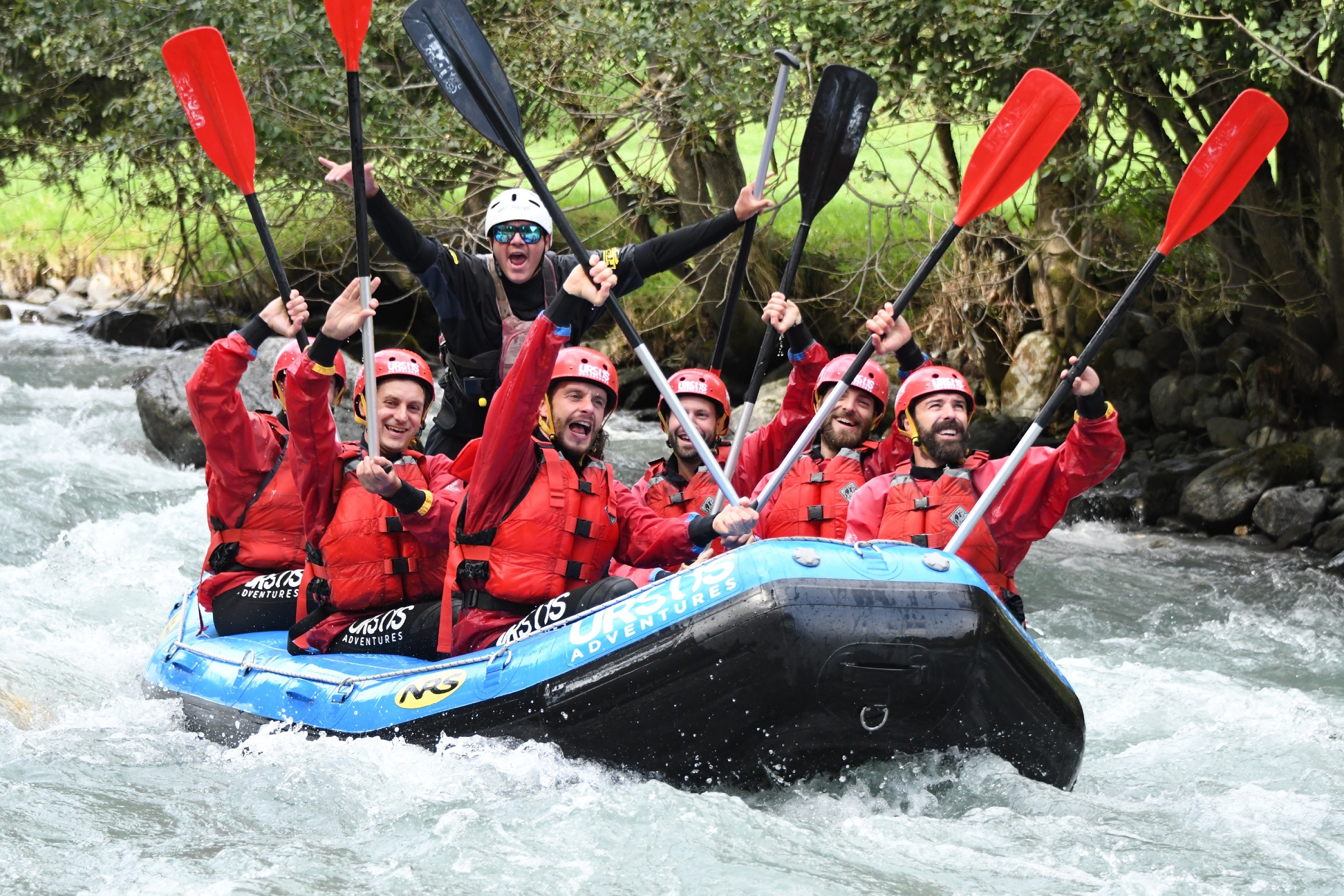
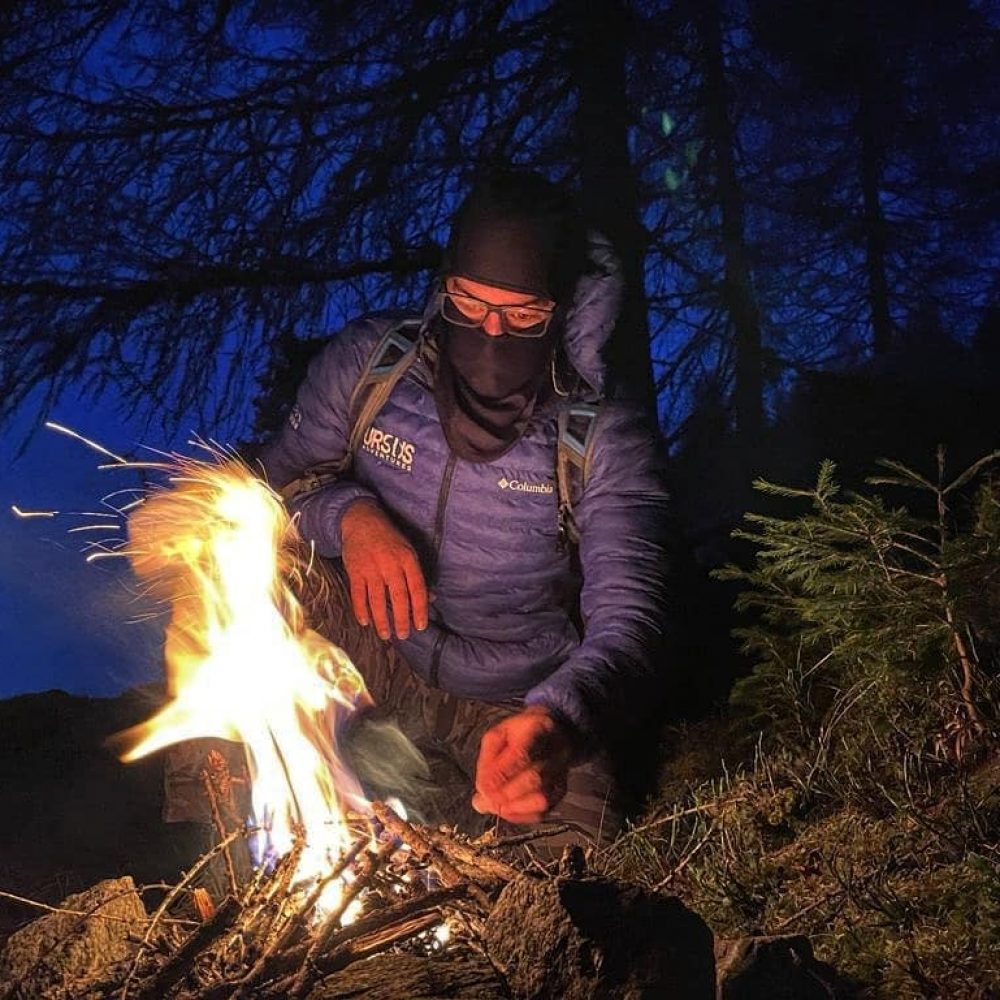
Activities in contact with nature


Request information
You might be interested in